BPC-157
Experimental gastric pentadecapeptide widely promoted for healing and recovery, with limited human evidence
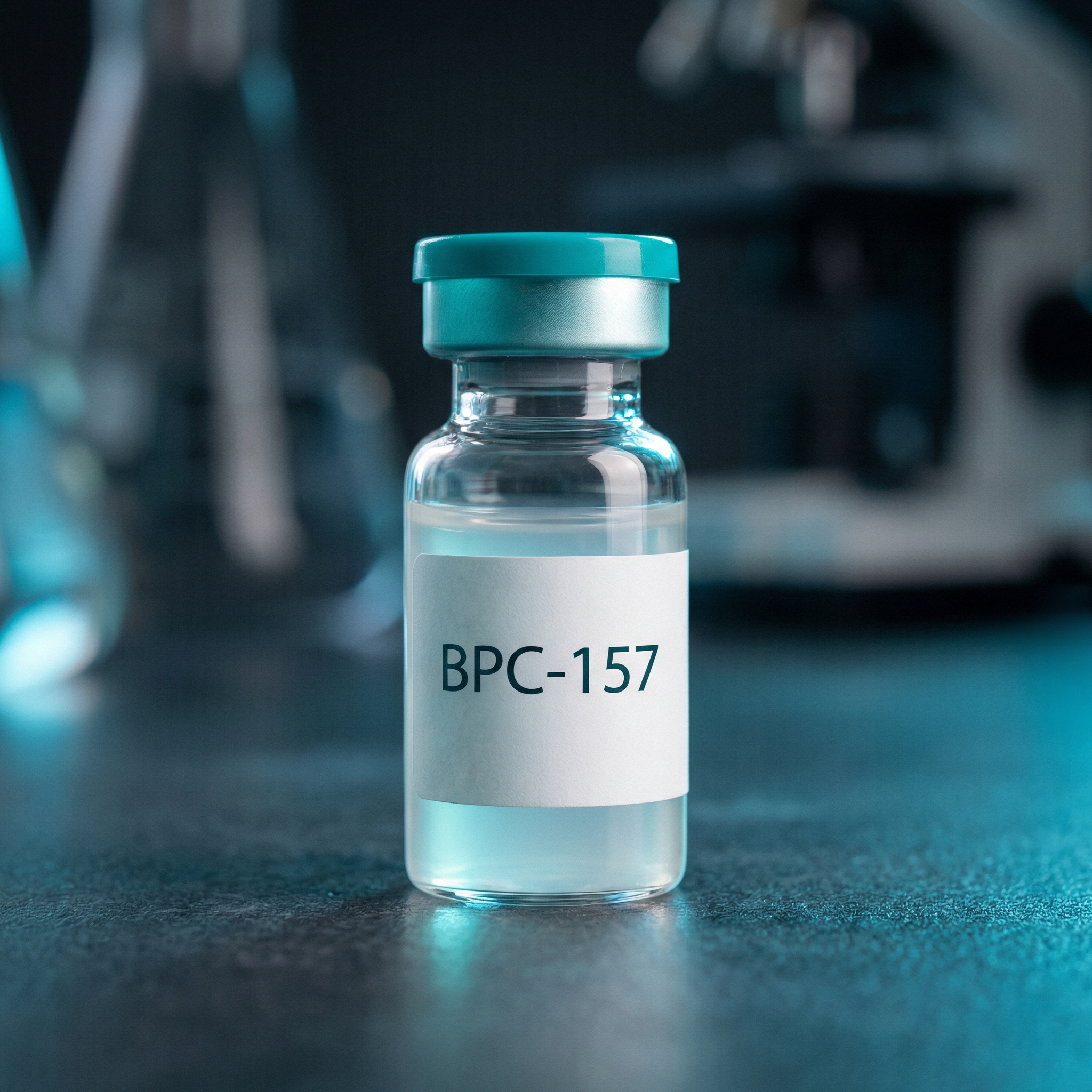
BPC-157 is a synthetic pentadecapeptide derived from a gastric-protein research program and is widely marketed in sports-medicine, longevity, and injury-recovery circles. The repository should classify it as investigational and separate the large preclinical literature from the still-thin human evidence base. Public enthusiasm is much stronger than regulatory acceptance or clinical proof.
Common names include BPC-157, pentadecapeptide BPC 157, Body Protection Compound-157, and gastric pentadecapeptide BPC. It is generally described as a 15-amino-acid experimental peptide derived from a protective gastric-protein concept rather than as an approved pharmaceutical brand. The database should also tag it as peptide-adjacent wellness-market material because much real-world exposure comes from compounding and research-chemical channels rather than licensed drug distribution.
No single validated mechanism fully explains the broad claims made for BPC-157. Preclinical papers propose effects on angiogenic signaling, fibroblast migration, nitric-oxide related pathways, tendon and ligament repair signaling, epithelial protection, and inflammatory modulation. The safest wording for a repository is that BPC-157 is a mechanistically unresolved regenerative research peptide with multiple proposed downstream effects rather than one confirmed human target.
Publicly discussed use cases include tendon and ligament injury, muscle recovery, inflammatory bowel and gastric injury models, wound repair, and general tissue-healing claims. In evidence terms, these remain mostly preclinical or exploratory. The entry should clearly separate legitimate research questions from consumer-performance marketing.
Open human PK information is limited. Animal and laboratory literature has explored oral, local, and injectable routes, and the peptide is often described as unusually stable in gastric conditions compared with many therapeutic peptides. Even so, the clinically relevant ADME profile in humans remains insufficiently characterized, especially for the compounded injectable products most often sold online.
The efficacy story is strongest in animal and cell studies, where musculoskeletal, gastrointestinal, and wound-healing models often look favorable. Human evidence is much weaker. A 2025 sports-medicine review described only minimal human data and advised against routine clinical recommendation until better trials are completed. This should be coded as promising preclinical evidence with inadequate confirmatory human efficacy.
Safety remains a major uncertainty because most real-world use occurs outside standardized approved manufacturing. FDA compounding-risk materials state that BPC-157 may present significant safety concerns and that the agency lacks sufficient safety information for the proposed human uses. Product-quality variation, sterility risk, dosing inconsistency, and peptide-related impurities are practical concerns in addition to any intrinsic pharmacology.
No validated reference dosing regimen exists for medical practice. The repository should store only study-specific or source-specific regimens and avoid presenting wellness-market schedules as authoritative dosing guidance. Route, concentration, and frequency vary widely across internet sources and should be treated as nonstandard.
UNVERIFIED RESEARCHER-REPORTED DOSING INFORMATION
The following dosing information has been compiled from community forums, researcher discussions, and gray-market sources. This information has NOT been verified through peer-reviewed scientific studies or clinical trials. It does NOT constitute medical advice, a prescription, or a recommendation for human use.
This data is presented solely for informational and educational purposes to document what is commonly discussed in research communities. Dosing protocols may be inaccurate, dangerous, or based on anecdotal reports with no scientific validation. Individual responses vary significantly, and unregulated compounds carry inherent risks including contamination, mislabeling, and unknown side effects.
Always consult qualified medical professionals before making any health-related decisions. The repository maintainers assume no liability for the use or misuse of this information.
Researcher-Reported Dosing Protocols
Common Dose Range: 250-500 mcg per injection
Administration Route: Subcutaneous or intramuscular injection, or oral administration.
Frequency: Once or twice daily
Timing: Oral doses are typically taken on an empty stomach to improve absorption. No specific timing is consistently reported for injections.
Schedule / Protocol: 4-8 week cycles, with a 2-4 week break between cycles.
Dose Escalation: It is commonly recommended to start with a lower dose, around 250 mcg daily, for the first one to two weeks and then gradually increase the dosage as needed. Some protocols also suggest a tapering-off period at the end of the cycle.
Additional Notes: BPC-157 is often used in combination with other peptides, such as TB-500, for a synergistic effect on tissue repair. It is also important to note that the World Anti-Doping Agency (WADA) prohibits the use of BPC-157 for competitive athletes.
This researcher-reported dosing information was compiled from unverified community sources and does not represent validated scientific or medical guidance.
BPC-157 has at least some visible human-trial footprint, including a Phase I safety/pharmacokinetic record in healthy volunteers and a more recent randomized Phase II registration in acute hamstring muscle strain. That is enough to classify it as clinically explored, but not enough to claim established therapeutic benefit.
Not approved by the FDA or EMA as a medicine. Best categorized as investigational, with current U.S. regulatory language around compounding emphasizing unresolved safety and quality concerns rather than acceptance as a therapeutic ingredient.
A high-value repository note for BPC-157 is manufacturing risk. Research-grade powders, compounded injections, and vendor-labeled products may differ materially in purity, peptide identity, salt form, sterility, and excipient content. Because unregulated sourcing is common, formulation quality should be considered part of the safety profile.
Version 0.1 starter entry created March 14, 2026. Evidence basis for this draft: 2025 narrative and sports-medicine reviews, current FDA compounding-risk materials, ClinicalTrials.gov registrations, and foundational preclinical BPC-157 literature available at time of writing.