

Featured Peptides
Highlighted compounds from the research database
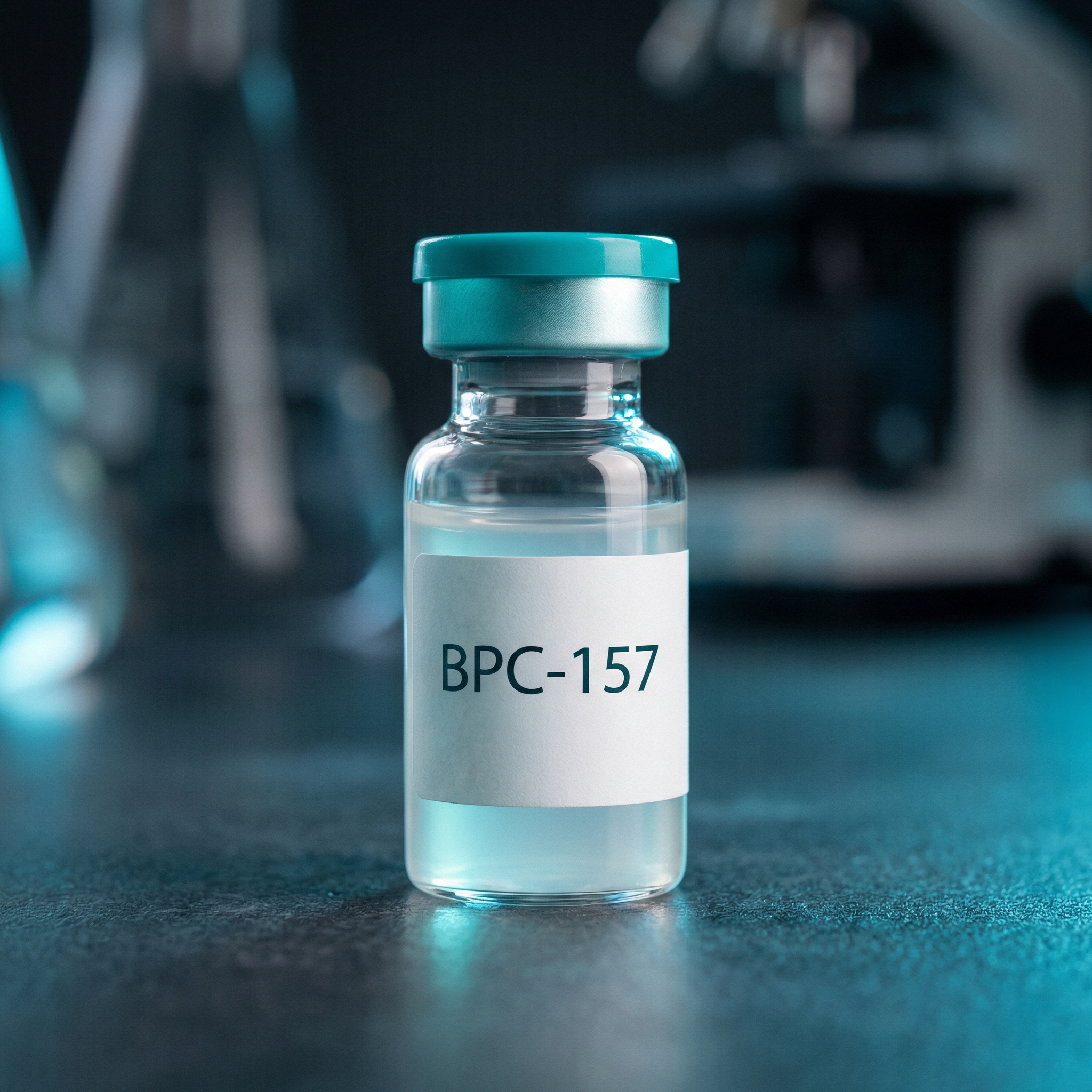
BPC-157
BPC-157 is a synthetic pentadecapeptide derived from a gastric-protein research program and is widely marketed in sports-medicine, longevity, and inju...
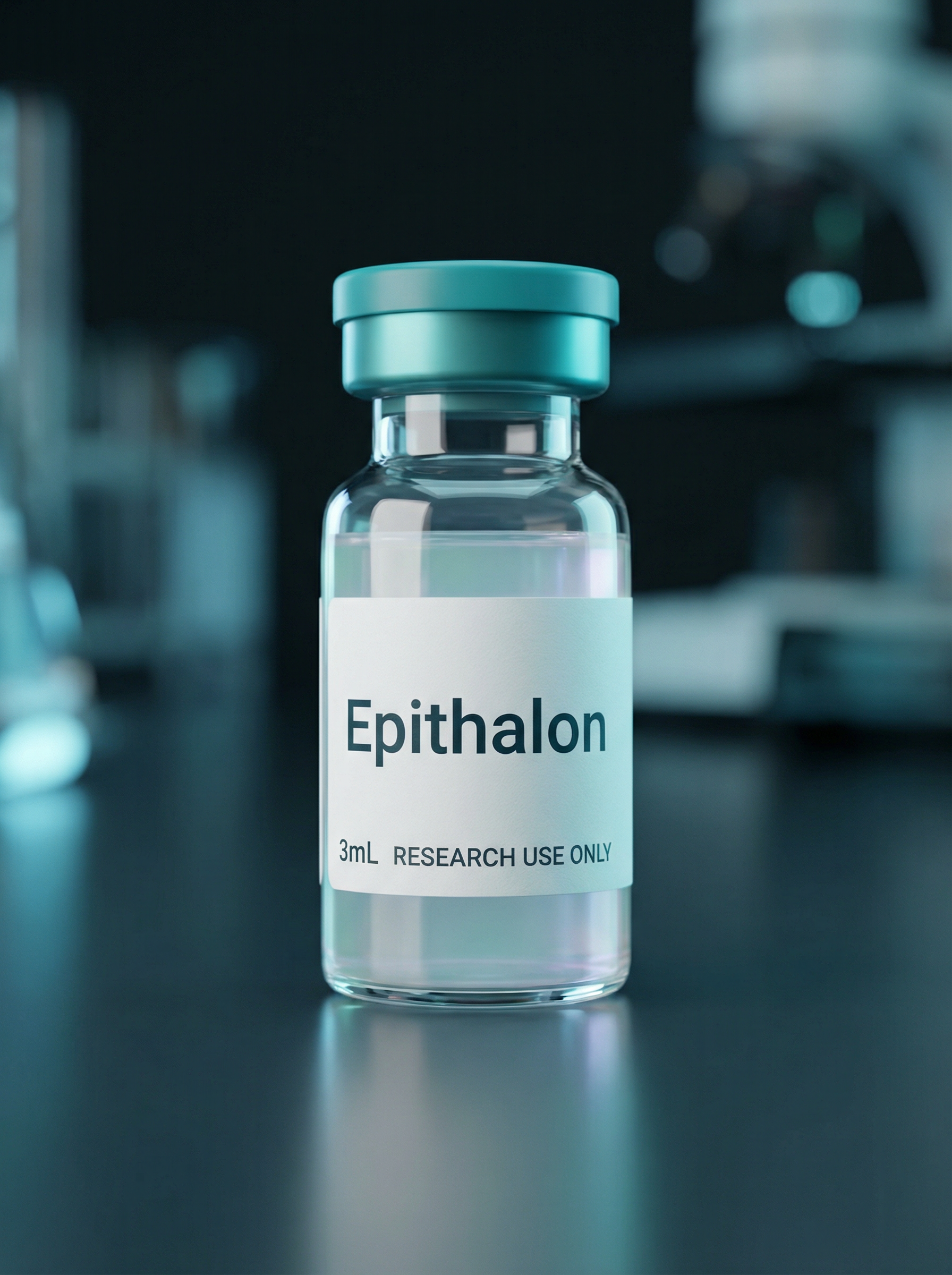
Epithalon
Epithalon, also widely written as Epitalon or Epithalone, is a synthetic tetrapeptide derived from work on pineal-gland peptide preparations. It is on...
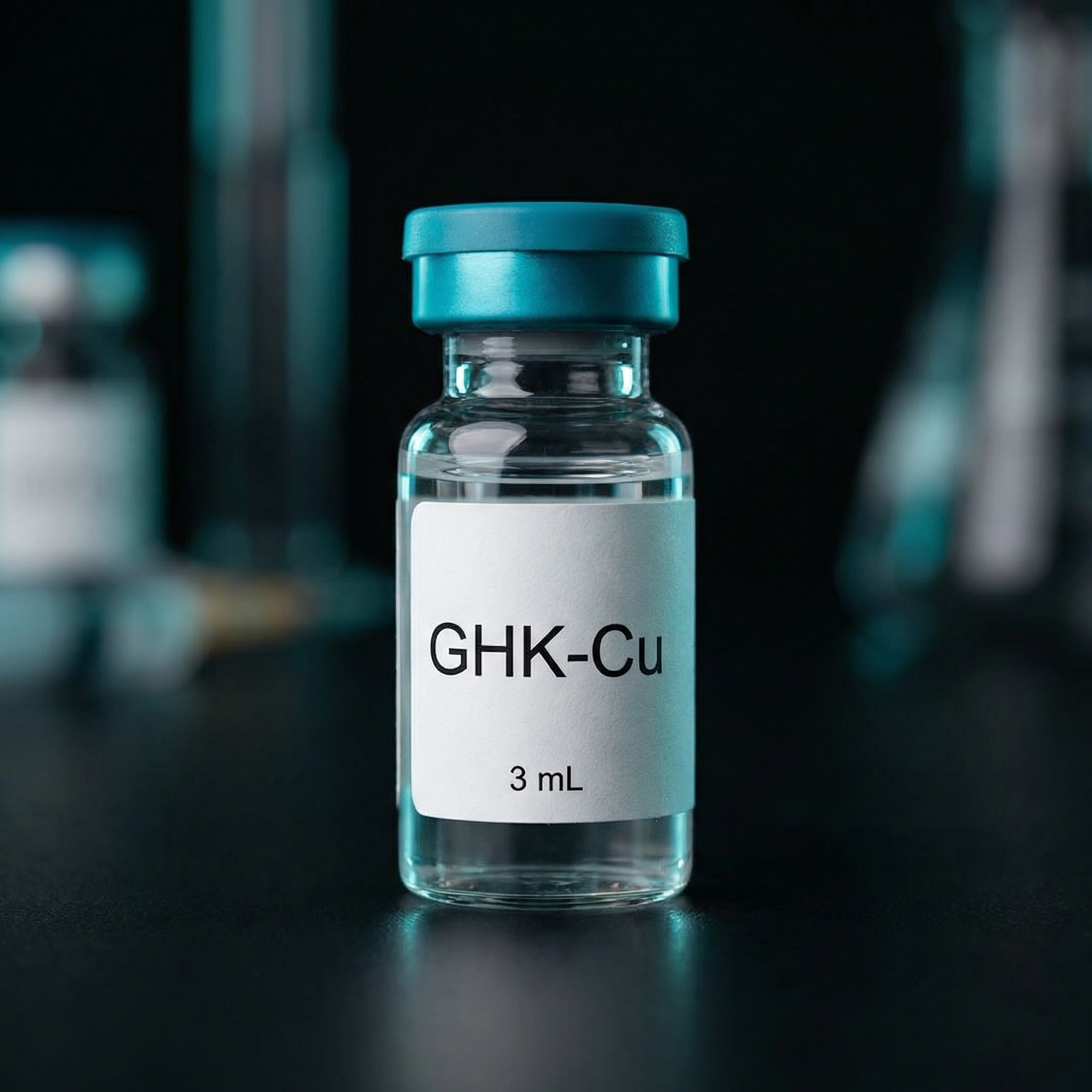
GHK-Cu
GHK-Cu is the copper-complexed form of the endogenous tripeptide GHK and is best known for skin-remodeling, wound-healing, and cosmetic-aging applicat...
Knowledge Hub
Everything you need to get started and stay informed about peptide research

Beginner's Guide
New to peptide research? Start here with our comprehensive guide covering essential supplies, reconstitution, dosing calculations, and safety protocols.

Latest Research
Stay current with automatically curated peptide studies from PubMed, summarized with AI for accessibility. Updated every 3 days.

FAQ
Find answers to common questions about peptide research, storage, reconstitution, legality, and best practices for your studies.
Latest Research Studies
Recently published peptide research from peer-reviewed journals
Cardiac targeting extracellular vesicles combined with quercetin co-delivery system enhances the therapeutic efficacy of myocardial infarction.
Scientists have developed a new way to treat heart attacks using tiny natural packages from human blood, called extracellular vesicles, combined with a plant compound called quercetin. They modified these packages with a special peptide to target the damaged heart, delivering both substances to reduce inflammation, fight harmful molecules, and prevent cell death. This combined approach shows promise for repairing heart damage more effectively than current treatments.
The pituitary adenylate cyclase-activating polypeptide receptor and its splice variants: Unique roles in affective and motivated behavior.
This research explores how a brain chemical called PACAP and its specific receptors, particularly different versions of the PAC1 receptor, influence our stress responses, emotions, and motivated behaviors, especially drug addiction. The study suggests that these receptor variants might play distinct roles in how the brain reacts to stress and drug use, potentially changing how PACAP affects drug-seeking behavior over time. Understanding these differences could lead to new treatments for addiction.
AI-assisted transformation of PD-L1 inhibitory peptides into small molecules using amino acid mapping descriptor and activity improvement through structure-based drug design.
This research developed a new method using artificial intelligence to transform a peptide drug into a smaller, more effective drug molecule. This new approach helps create drugs that can block specific protein interactions, like those involving PD-L1, which is important for treating diseases. The study successfully created small molecules with improved properties, demonstrating a promising way to discover new therapies.
Risk Factors and Comparative Safety of Anti-PD-1 Combination Therapies in Advanced Melanoma: A Nationwide Real-World Cohort Study From China.
This study investigated the safety and side effects of different drug combinations used to treat advanced melanoma, a type of skin cancer, in China. Researchers found that while many anti-PD-1 combination therapies were generally safe, a specific triple therapy combining PD-1 inhibitors with interferon Alfa-1b and TKI drugs led to severe side effects and is not recommended. The study helps doctors understand which treatments are safer for patients.

Quick Access
Jump to any section of the repository
Explore the Database
Browse peptide entries organized by compound class, mechanism, and regulatory status
5-Amino-1MQ
Non-peptide small molecule often grouped with pept
ACE-031
Recombinant ActRIIB-Fc ligand trap / myostatin-pat
Acetyl Hexapeptide-8 (Argireline)
Topical cosmetic peptide used primarily for wrinkl
Adipotide
Experimental adipose-vasculature targeting peptido
AICAR
AMP analog / AMPK-pathway research compound also k
Alprostadil
Prostaglandin E1 analog drug with established regu
AOD9604
Growth-hormone fragment analog developed for fat-l
Ara-290
Tissue-protective erythropoietin-derived peptide a