Epithalon
Synthetic pineal tetrapeptide also known as Epitalon; longevity and pineal-signaling claims remain non-approved
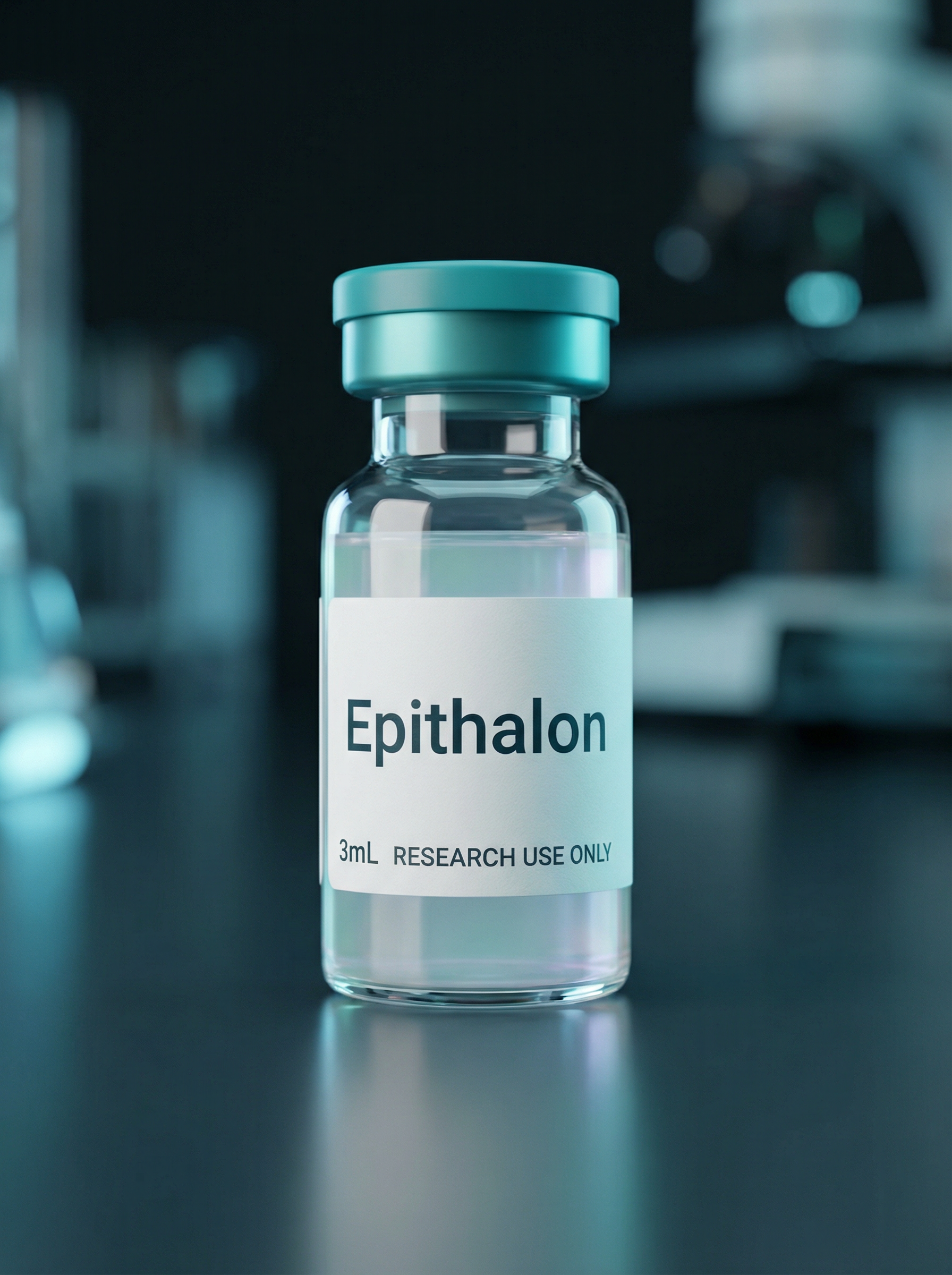
Epithalon, also widely written as Epitalon or Epithalone, is a synthetic tetrapeptide derived from work on pineal-gland peptide preparations. It is one of the most commonly discussed so-called anti-aging peptides, but its evidence base remains heavily preclinical and regionally concentrated. The repository should label it as experimental, not as an established longevity therapy.
Primary names include Epithalon, Epitalon, and Epithalone. The entry should also cross-reference epithalamin, the broader pineal extract context from which the tetrapeptide concept emerged. No FDA or EMA drug-brand identity was identified.
3. Sequence and structure
Epithalon is a linear tetrapeptide with the amino acid sequence Ala-Glu-Asp-Gly, often abbreviated AEDG. It is a small synthetic peptide without the kind of extensive folding seen in larger proteins, which makes sequence and purity relatively easy to define. Because market products may vary by salt form, the base peptide sequence should remain the main identity field.
Mechanistic claims commonly focus on telomerase regulation, pineal signaling, melatonin-related effects, oxidative-stress modulation, and broader gene-expression changes. Those mechanisms are plausible enough to support ongoing research, but they are not established to the level needed for therapeutic certainty. The repository should explicitly mark mechanistic confidence as limited.
Research and gray-market use cases center on healthy aging, sleep support, recovery, and longevity-related biomarker claims. None of those uses should be presented as approved indications. Best categorized as an investigational anti-aging / pineal-signaling peptide.
Robust ADME packages in major regulatory literature were not identified. Published discussions usually emphasize biologic effects rather than formal PK characterization, so claims about half-life, bioavailability, or durable systemic exposure should be treated cautiously. The database should prefer mechanism and evidence qualifiers over precise PK claims.
Evidence is mixed and weighted toward animal studies, cell studies, and region-specific human reporting. The biologic rationale is interesting, but the quality and generalizability of the human evidence do not support strong therapeutic conclusions. A fair repository rating would be exploratory with low to moderate evidence strength depending on endpoint.
Public descriptions often portray epithalon as well tolerated, but modern large-scale safety datasets are lacking. Long-term endocrine, oncologic, and aging-related safety questions remain open, especially when the product is used outside controlled research settings. The repository should present safety as incompletely characterized.
No approved mainstream label exists. Any future dose entries should be source-specific and clearly separated into study protocols, practitioner protocols, or commercial instructions rather than normalized as evidence-based dosing.
UNVERIFIED RESEARCHER-REPORTED DOSING INFORMATION
The following dosing information has been compiled from community forums, researcher discussions, and gray-market sources. This information has NOT been verified through peer-reviewed scientific studies or clinical trials. It does NOT constitute medical advice, a prescription, or a recommendation for human use.
This data is presented solely for informational and educational purposes to document what is commonly discussed in research communities. Dosing protocols may be inaccurate, dangerous, or based on anecdotal reports with no scientific validation. Individual responses vary significantly, and unregulated compounds carry inherent risks including contamination, mislabeling, and unknown side effects.
Always consult qualified medical professionals before making any health-related decisions. The repository maintainers assume no liability for the use or misuse of this information.
Researcher-Reported Dosing Protocols
Common Dose Range: 5-10 mg per day
Administration Route: Subcutaneous or intramuscular injection
Frequency: Once daily, or 5 times per week
Timing: Typically administered in the evening before bed. Some protocols suggest splitting the dose between morning and evening.
Schedule / Protocol: 10-20 day cycles repeated every 6-12 months, or 1 month on/3 months off.
Dose Escalation: No specific escalation protocol is commonly discussed. Researchers typically start with the intended dose.
Additional Notes: There is a significant discrepancy in reported dosages. While 5-10mg per day is the most commonly cited range, some sources suggest doses as low as 1mg per day. Furthermore, it has been noted that the original Russian research was conducted with Epithalamin, a bovine pineal extract, and that the equivalent dose of the synthetic peptide Epitalon may be as low as 100mcg.
This researcher-reported dosing information was compiled from unverified community sources and does not represent validated scientific or medical guidance.
No mature major-market clinical-development program was identified in this review. Human evidence exists in the literature, but not as a modern robust registration pathway.
Not approved by the FDA or EMA as a medicine. Best coded as investigational / non-approved.
13. References and source quality
Most useful sources include PubChem and NCATS identity records for the peptide itself, recent overview reviews of epitalon biology, and older pineal-peptide literature. Source quality for peptide identity is good, but clinical-efficacy confidence is limited by study heterogeneity and lack of large confirmatory trials.
Epithalon is comparatively straightforward to synthesize as a short peptide, so the main quality-control questions are salt form, purity, degradation, and source authenticity. Because many vendors sell similar anti-aging peptides, repository records should emphasize verified sequence and manufacturer transparency.
Version 0.1 starter entry created March 14, 2026. Evidence basis for this draft: PubChem and NCATS compound records, recent epitalon overview literature, and general peptide-aging research reviews.