Bronchogen
Short respiratory-system bioregulator peptide from the Russian peptide-bioregulator literature
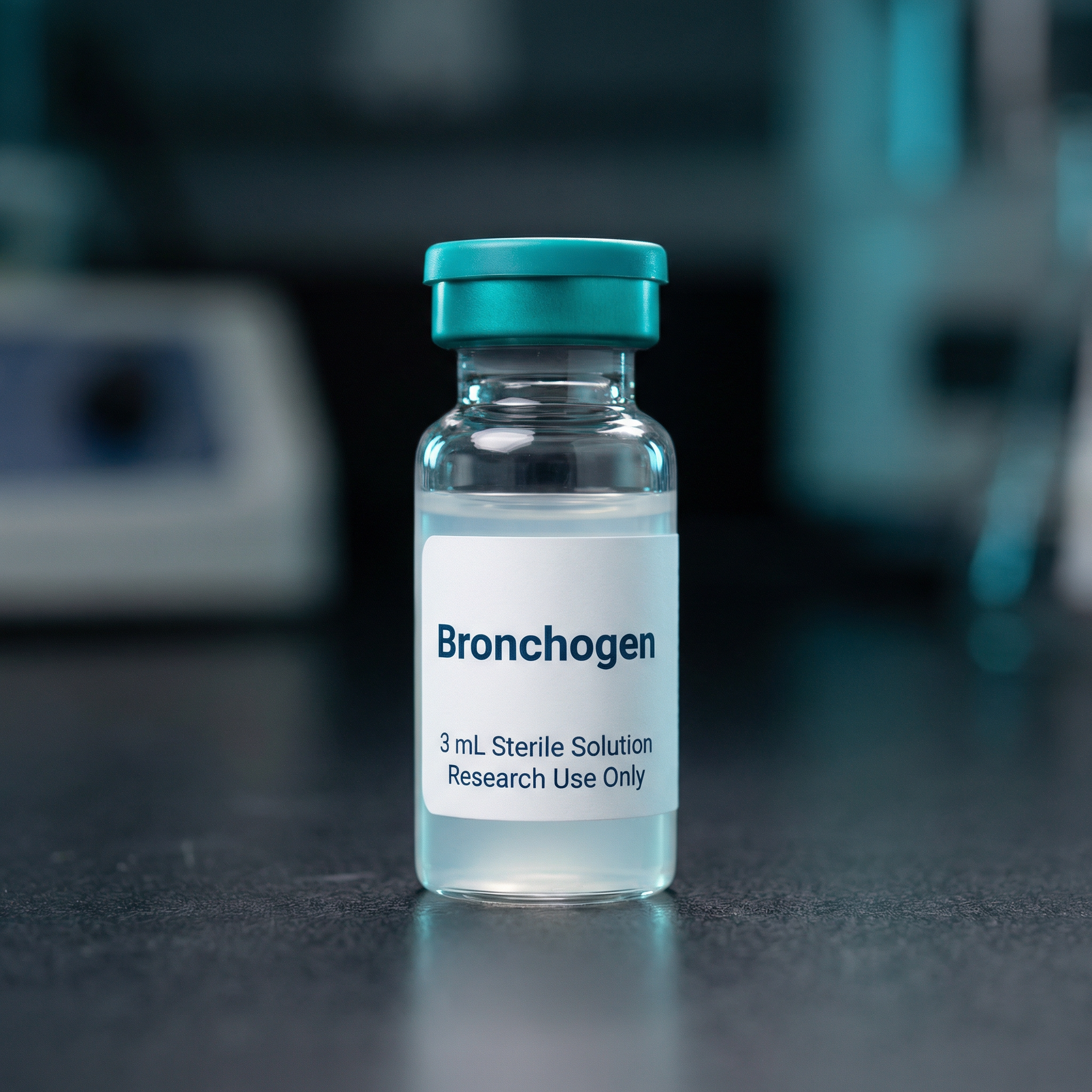
Bronchogen is an ultrashort peptide bioregulator associated with bronchial and lung-tissue research rather than mainstream global drug development. The public literature mainly links it to respiratory epithelial maintenance, inflammatory modulation, and tissue-remodeling claims. For repository purposes it should be classified as a niche experimental bioregulator with limited internationally recognized clinical evidence.
Bronchogen is commonly described as the tetrapeptide AEDL and is usually placed within the Khavinson-style peptide-bioregulator family. Naming conventions can vary across translated papers and commercial materials, so the record should preserve Bronchogen as the primary searchable name and cross-tag it to respiratory bioregulator terminology.
The proposed mechanism centers on regulation of bronchial epithelial differentiation and inflammatory signaling rather than receptor-style endocrine pharmacology. Published work has linked Bronchogen to DNA-binding hypotheses, modulation of cytokine activity, and restoration of bronchial epithelium in injury models. These mechanisms remain exploratory and are not validated to the standard expected for regulated respiratory drugs.
Typical claimed use cases include chronic bronchitis, COPD-like airway remodeling, bronchopulmonary aging, and general respiratory-support concepts. In the repository these should be labeled as experimental or region-specific claims rather than approved indications.
Robust modern PK/ADME data were not identified in open major-market sources. Regional literature and product materials often describe oral-course administration, but absorption, bioavailability, and tissue distribution have not been characterized to contemporary therapeutic-development standards.
Evidence is limited and largely preclinical. Rat COPD-model work reported improvement in bronchial-epithelium structure, inflammatory markers, and surfactant-related measurements after Bronchogen exposure. That supports biologic plausibility, but the overall evidence base remains small, geographically concentrated, and methodologically weaker than what would be expected for mainstream respiratory-drug adoption.
Short peptide length does not by itself establish safety. Open-source safety reporting is sparse, and there is not a large modern randomized human literature to define adverse-event frequency, contraindications, or long-term risks. The repository should therefore mark safety evidence as insufficient rather than assume low risk.
Because standardized regulated labeling was not identified in major markets, dosing should not be presented as fixed medical guidance. Any regimen captured later should be explicitly linked to a named source or regional product monograph rather than generalized across the entry.
UNVERIFIED RESEARCHER-REPORTED DOSING INFORMATION
The following dosing information has been compiled from community forums, researcher discussions, and gray-market sources. This information has NOT been verified through peer-reviewed scientific studies or clinical trials. It does NOT constitute medical advice, a prescription, or a recommendation for human use.
This data is presented solely for informational and educational purposes to document what is commonly discussed in research communities. Dosing protocols may be inaccurate, dangerous, or based on anecdotal reports with no scientific validation. Individual responses vary significantly, and unregulated compounds carry inherent risks including contamination, mislabeling, and unknown side effects.
Always consult qualified medical professionals before making any health-related decisions. The repository maintainers assume no liability for the use or misuse of this information.
Researcher-Reported Dosing Protocols
Common Dose Range: 500-1000 mcg per injection or 1-2 oral capsules
Administration Route: Subcutaneous injection or Oral
Frequency: Once or twice daily
Timing: Injections are often recommended in the evening, a couple of hours after the last meal. Oral capsules are typically taken with food.
Schedule / Protocol: Injectable: 40 days (beginner) or 7 weeks with a 6 days on/1 day off cycle (advanced). Oral: 20-30 day cycles, followed by a 4-6 month break.
Dose Escalation: A common approach is to start with a lower daily dose of 500 mcg to establish tolerance before potentially increasing to 1000 mcg for more advanced protocols.
Additional Notes: The injectable route is often discussed in research communities, while oral capsules are also available. The choice between them may depend on the researcher's goals and preferences.
This researcher-reported dosing information was compiled from unverified community sources and does not represent validated scientific or medical guidance.
No major ClinicalTrials.gov development program or globally recognized respiratory-registration track was identified during this update. The evidence profile is therefore best described as preclinical plus limited regional literature, not mature international clinical development.
No FDA or EMA approval identified. Best categorized as investigational / region-specific bioregulator material rather than an approved respiratory therapeutic.
As an ultrashort synthetic peptide, formulation issues revolve around identity confirmation, purity, stability, and route-specific quality control. If the repository later tracks commercial sources, it should distinguish regulated pharmaceutical manufacture from wellness-market or research-supply products.
Version 0.1 starter entry created March 14, 2026. Evidence basis for this draft: PubMed-indexed Bronchogen respiratory-model studies and systematic reviews of ultrashort peptide bioregulators available at time of writing.