Chonluten
Bronchial bioregulator tripeptide linked to inflammatory-modulation claims
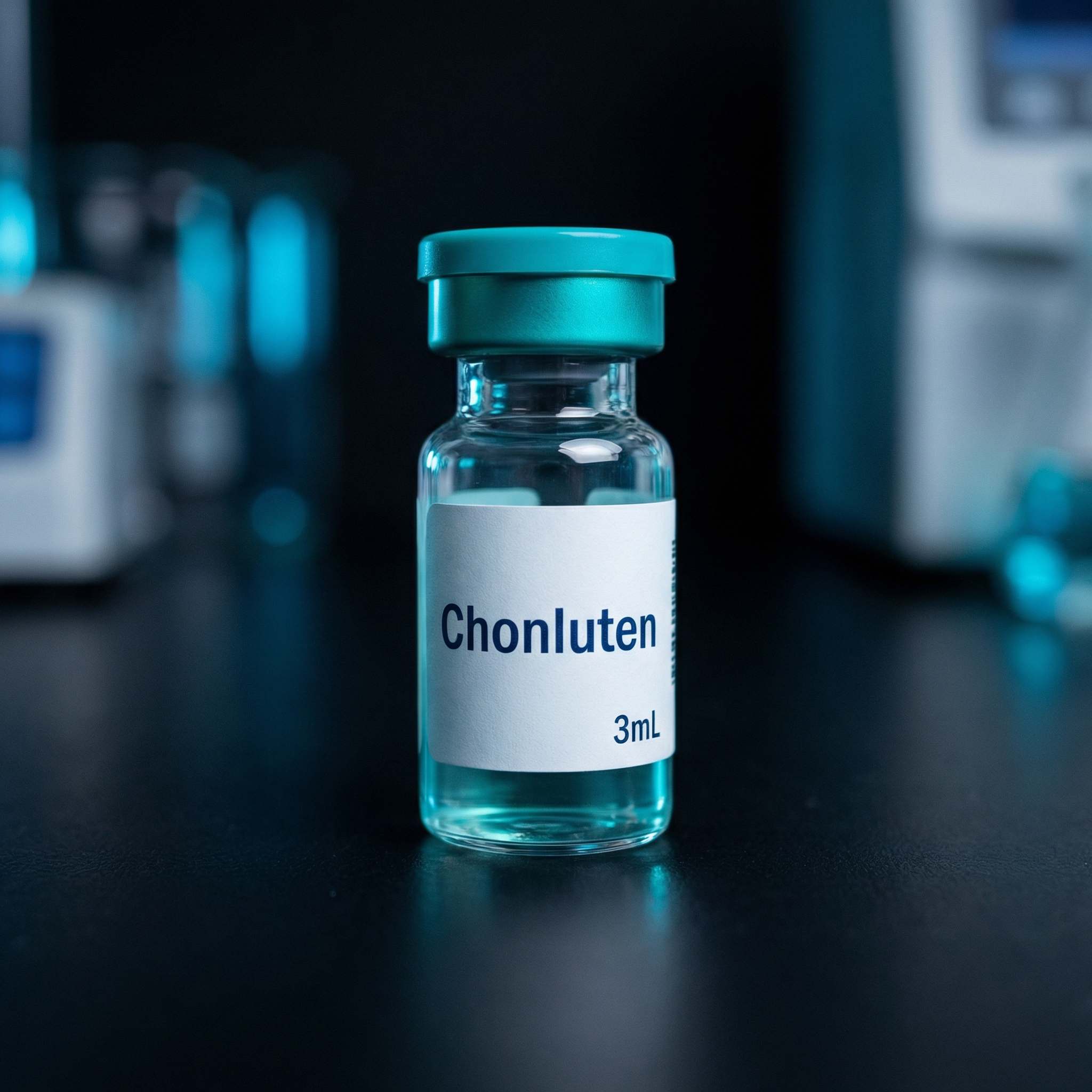
Chonluten is an ultrashort peptide bioregulator associated with bronchial tissue, inflammatory regulation, and respiratory-support claims in the peptide-bioregulator literature. Like Bronchogen, it should be treated as a niche experimental peptide with limited internationally validated clinical evidence.
Chonluten is commonly described as the EDG tripeptide and is often grouped with other organ-directed peptides in the Khavinson literature. Because naming can vary across translations and product materials, the repository should maintain strong synonym indexing.
Published mechanistic discussion links Chonluten to regulation of gene expression, modulation of inflammatory cytokines such as TNF and IL-6, and receptor-independent intracellular signaling possibilities including STAT1-related effects. These observations come mainly from in vitro and experimental systems, so mechanism should be labeled exploratory.
Claimed use cases include bronchopulmonary pathology, chronic bronchitis, hypoxia adaptation, and respiratory-system support. The repository should flag these as experimental or region-specific claims rather than approved clinical indications.
Robust major-market ADME data were not identified. Public literature tends to discuss biologic effects and low-dose peptide signaling rather than formal human PK. Oral-course use appears in some publications and product materials, but absorption and exposure remain poorly characterized by modern standards.
Evidence is limited. In vitro work suggests anti-inflammatory signaling effects, and review literature cites older respiratory-use reports and physiologic adaptation claims. The overall evidence level is low to moderate preclinical plausibility, not confirmed therapeutic efficacy.
Safety data are sparse and do not support confident conclusions about long-term tolerability, special populations, or interaction risk. The repository should avoid assuming safety from low dose or short length alone.
No globally standardized or major-market labeled regimen was identified. Any dosing details added later should be attached to explicit monographs, studies, or regional instructions.
UNVERIFIED RESEARCHER-REPORTED DOSING INFORMATION
The following dosing information has been compiled from community forums, researcher discussions, and gray-market sources. This information has NOT been verified through peer-reviewed scientific studies or clinical trials. It does NOT constitute medical advice, a prescription, or a recommendation for human use.
This data is presented solely for informational and educational purposes to document what is commonly discussed in research communities. Dosing protocols may be inaccurate, dangerous, or based on anecdotal reports with no scientific validation. Individual responses vary significantly, and unregulated compounds carry inherent risks including contamination, mislabeling, and unknown side effects.
Always consult qualified medical professionals before making any health-related decisions. The repository maintainers assume no liability for the use or misuse of this information.
Researcher-Reported Dosing Protocols
Common Dose Range: Injectable: 250-4,000 mcg; Oral Capsules: 1-2 capsules (5mg each); Sublingual: 5-10mg or 5-6 drops
Administration Route: Subcutaneous injection, oral capsules, or sublingual drops.
Frequency: Once daily for injectables and capsules. 3-4 times daily for sublingual drops.
Timing: Typically administered in the morning, either on an empty stomach or with breakfast. Consistent timing is often recommended.
Schedule / Protocol: 10-20 day cycles repeated every 3-6 months, or longer cycles of 8-16 weeks.
Dose Escalation: A gradual dose titration is commonly recommended, starting with a lower dose and increasing it over several weeks. For example, starting at 250 mcg daily and increasing by 250-500 mcg every 1-2 weeks.
Additional Notes: Dosing protocols for Chonluten vary significantly based on the form of administration (injectable, oral, or sublingual). The information presented here is a synthesis of commonly reported practices and should not be considered medical advice.
This researcher-reported dosing information was compiled from unverified community sources and does not represent validated scientific or medical guidance.
No substantial internationally registered clinical-development pathway was identified during this update. Best categorized as experimental / regionally described rather than clinically established.
No FDA or EMA approval identified. Chonluten should be coded as an investigational respiratory bioregulator.
As with other ultrashort peptides, formulation concerns include identity verification, purity, stability, and source control. This matters because market products may outpace the depth of the supporting literature.
Version 0.1 starter entry created March 14, 2026. Evidence basis for this draft: in vitro inflammatory-pathway studies, peptide-bioregulator systematic reviews, and respiratory-focused review literature available at time of writing.