HCG
Human chorionic gonadotropin; clinically established glycoprotein hormone for fertility and endocrine use, not a simple short peptide
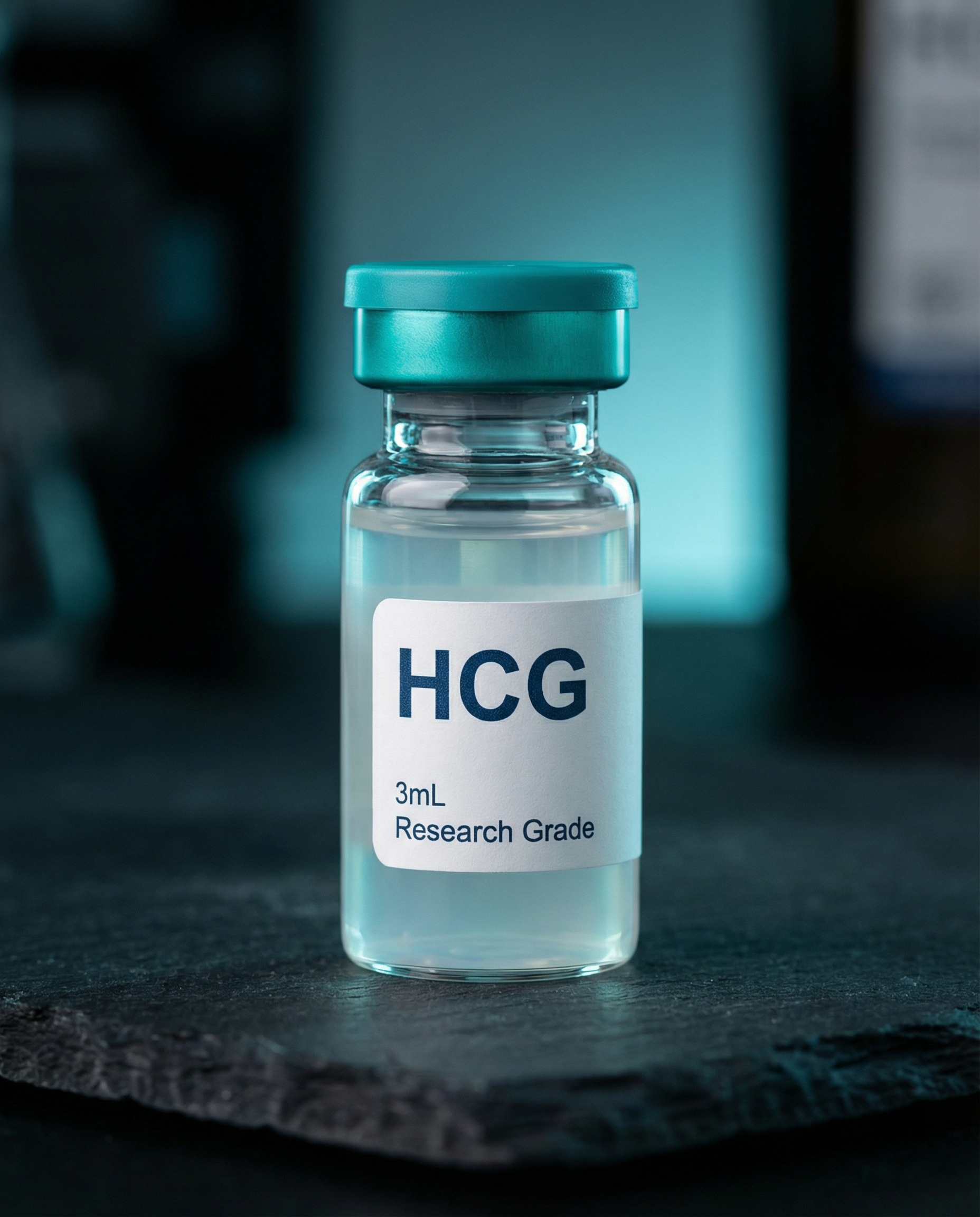
HCG is a clinically established gonadotropin hormone used in fertility and selected endocrine settings. It belongs in the repository because it is often grouped with peptide therapeutics, but structurally it is a glycoprotein hormone rather than a simple short peptide. It is one of the most clinically grounded entries in this list, and the repository should clearly separate approved uses from the discredited obesity narrative.
Key names include human chorionic gonadotropin, HCG, hCG, chorionic gonadotropin, and product-specific names such as Novarel, Pregnyl, or recombinant choriogonadotropin alfa in related contexts. Repository entries should distinguish urinary-derived and recombinant products when brand or source matters.
3. Sequence and structure
HCG is a heterodimeric glycoprotein composed of a common alpha subunit and a hormone-specific beta subunit with substantial glycosylation. Because glycosylation drives potency, half-life, and manufacturing behavior, HCG should not be handled in the repository like a simple fixed-sequence peptide vial.
HCG acts mainly as an LH receptor agonist. In females it supports luteal and ovulatory signaling; in males it stimulates Leydig cells to produce testosterone. It can therefore substitute for LH-like biologic activity in selected reproductive and endocrine protocols.
Evidence-based use cases include ovulation induction protocols, fertility treatment support, selected male hypogonadotropic hypogonadism contexts, and some historical or pediatric cryptorchidism uses depending on product and region. The repository should explicitly note that HCG has not been shown to be an effective obesity treatment.
HCG is administered by injection, with route and product varying by protocol. Its glycoprotein structure gives it a longer duration of action than native LH. Clinical use is highly protocol-dependent and often integrated with FSH- or menotropin-based fertility regimens.
The efficacy evidence for HCG in reproductive medicine is mature and clinically established. It plays a defined role in ovulation triggering and endocrine stimulation. This is not a speculative wellness peptide entry; it is a real therapeutic hormone with longstanding medical use.
Important risks include ovarian hyperstimulation syndrome when used in fertility settings, multiple gestation risk through assisted reproduction pathways, gynecomastia or androgen-related effects in some male regimens, edema, headache, injection-site reactions, and protocol-specific endocrine disturbance. Monitoring requirements are closely tied to the fertility or endocrine setting.
Dosing should not be generalized in a starter repository entry because regimens vary by product, indication, and protocol. Any future structured dose field should distinguish fertility trigger use, male endocrine use, pediatric use, and urinary versus recombinant products.
UNVERIFIED RESEARCHER-REPORTED DOSING INFORMATION
The following dosing information has been compiled from community forums, researcher discussions, and gray-market sources. This information has NOT been verified through peer-reviewed scientific studies or clinical trials. It does NOT constitute medical advice, a prescription, or a recommendation for human use.
This data is presented solely for informational and educational purposes to document what is commonly discussed in research communities. Dosing protocols may be inaccurate, dangerous, or based on anecdotal reports with no scientific validation. Individual responses vary significantly, and unregulated compounds carry inherent risks including contamination, mislabeling, and unknown side effects.
Always consult qualified medical professionals before making any health-related decisions. The repository maintainers assume no liability for the use or misuse of this information.
Researcher-Reported Dosing Protocols
Common Dose Range: 500-4000 IU per injection
Administration Route: Subcutaneous or Intramuscular injection
Frequency: 3 times per week or every other day
Timing: Not specified
Schedule / Protocol: Varies by use case. Can be short cycles of 3-6 weeks or continuous administration.
Dose Escalation: Start with a lower dose (e.g., 500 IU) and increase if necessary. For instance, if a 500 IU cycle is unsuccessful, a subsequent cycle with 1000 IU may be initiated.
Additional Notes: HCG has a long half-life (around 30 hours). It is used for male hypogonadism, female infertility, and by bodybuilders. Monitoring of estradiol levels is recommended as HCG can cause an increase.
This researcher-reported dosing information was compiled from unverified community sources and does not represent validated scientific or medical guidance.
HCG has a long clinical-trial and clinical-practice history in fertility medicine. Most modern interpretation is product- and protocol-specific rather than dependent on a single current development program.
Approved products exist in major regulated markets. The entry should clearly state that obesity use is not supported and is specifically disclaimed in U.S. labeling.
13. References and source quality
Highest-value sources include current or recent DailyMed labeling for chorionic gonadotropin products, reproductive-endocrinology references, and regulatory labeling that explicitly states HCG is not effective as adjunctive obesity therapy. These are stronger than wellness-market summaries.
Manufacturing fields should capture source type, biologic potency units, glycosylation-dependent product behavior, diluent requirements, storage, and reconstitution. Because HCG is a biologic hormone product, batch potency and product identity matter more than informal peptide-market naming.
Version 0.1 starter entry created March 14, 2026. Evidence basis for this draft: DailyMed labeling for chorionic gonadotropin products and standard reproductive-endocrine use patterns.