Insulin
Endogenous peptide hormone and major approved biologic drug class for diabetes; not a niche research peptide
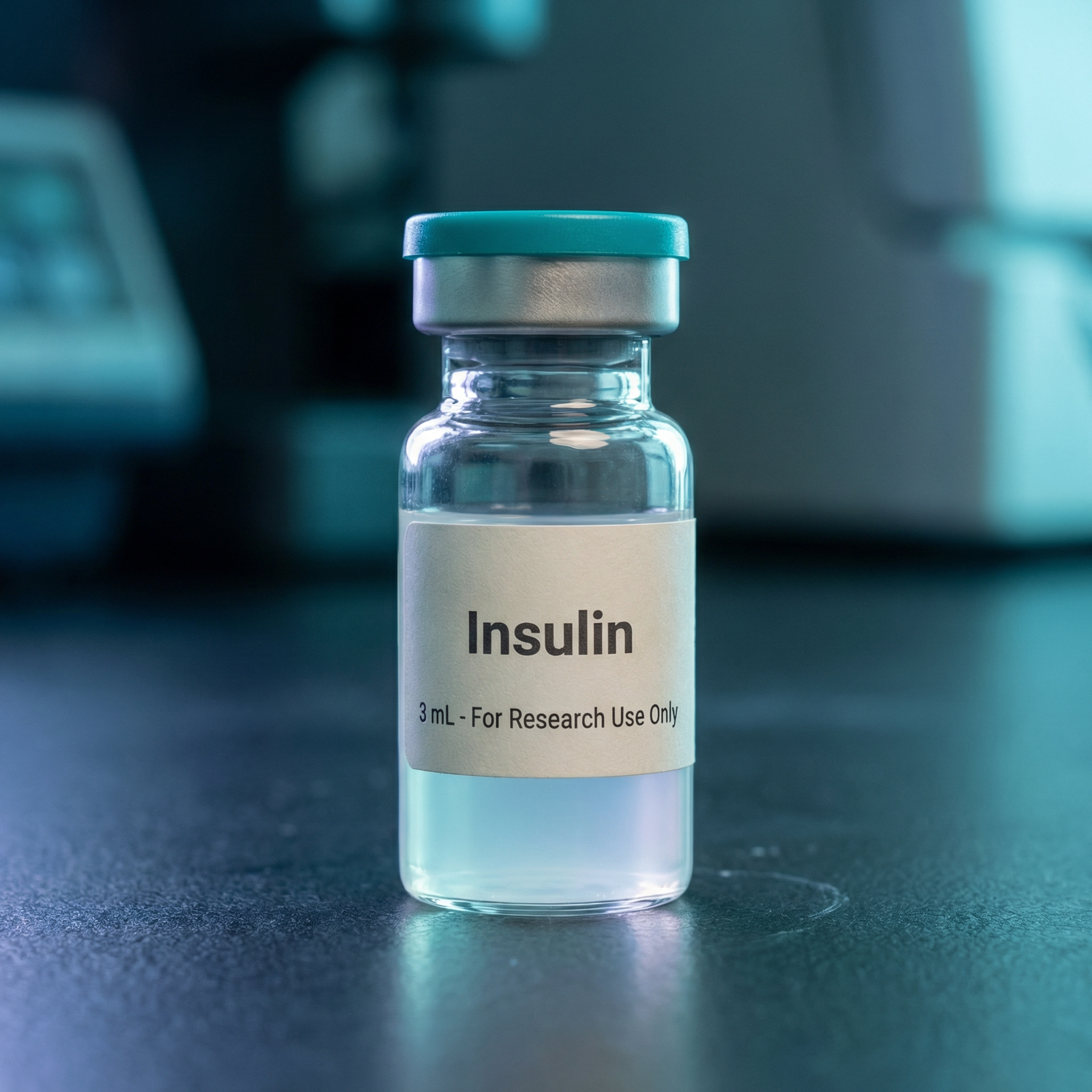
Insulin is a canonical human peptide hormone rather than an experimental boutique peptide, and it sits in a completely different evidence category from most entries in this repository. It is essential physiology, an established medicine, and a large approved therapeutic class used worldwide for type 1 diabetes, type 2 diabetes, hyperkalemia protocols, and selected inpatient metabolic indications. In the repository it should be tagged as an approved endocrine biologic with extensive clinical evidence and many formulation-specific product records.
The parent entry should be insulin, with linked child records for human regular insulin, NPH insulin, rapid-acting analogs, basal analogs, and premixed products. The identity section should distinguish endogenous human insulin from recombinant human insulin and from modified analogs such as lispro, aspart, glulisine, detemir, degludec, and glargine. Because formulation and device determine real-world behavior, the database should treat product-level naming as critical metadata rather than a minor alias issue.
3. Sequence and structure
Native human insulin is a 51-amino-acid peptide composed of an A chain of 21 residues and a B chain of 30 residues linked by two interchain disulfide bonds plus one intrachain A-chain disulfide bond. The mature human sequence should be stored as A-chain GIVEQCCTSICSLYQLENYCN and B-chain FVNQHLCGSHLVEALYLVCGERGFFYTPKT. This two-chain disulfide-linked architecture is identity-defining and separates insulin from simpler single-chain peptide entries.
Insulin is the endogenous agonist of the insulin receptor, activating receptor tyrosine-kinase signaling that drives glucose uptake, glycogen synthesis, suppression of hepatic glucose production, lipogenesis, and broad anabolic metabolism. Downstream biology centers on PI3K-Akt and related signaling networks, with important effects on liver, muscle, adipose tissue, vasculature, and the central nervous system. Mechanistic confidence is extremely high.
Evidence-based indications include treatment of diabetes mellitus and selected acute metabolic uses such as diabetic ketoacidosis and hyperkalemia management in defined clinical settings. The repository should not collapse all insulins into one generic use pattern because basal, bolus, concentrated, inhaled, and premixed products have different roles. Relative to most entries in this document, insulin belongs in the approved-medicine tier rather than the experimental-peptide tier.
Insulin pharmacology is dominated by formulation, route, and absorption kinetics rather than by one universal half-life figure. Subcutaneous depot behavior, hexamer dissociation, excipient profile, and analog engineering determine onset, peak, and duration, which is why regular insulin, lispro, glargine, degludec, and others behave so differently. The database should therefore store pharmacology at both parent-class and product-specific levels.
Efficacy evidence is definitive. Insulin replacement is lifesaving in type 1 diabetes and foundational in many advanced type 2 diabetes cases, with vast randomized-trial, observational, and real-world evidence across decades. Rather than asking whether insulin works, the repository should focus on matching formulation and regimen to the clinical use case.
The principal risks are hypoglycemia, weight gain, injection-site issues, dosing errors, and product-mix confusion, with hypoglycemia being the most clinically important hazard. Additional considerations include lipohypertrophy, edema in some settings, and device-use errors. Safety is well characterized, but it is highly dependent on patient education, dose titration, and formulation selection.
Unlike most research peptides, insulin has mature dosing frameworks, but they are individualized and product-specific. The repository should store route, concentration, delivery device, timing relative to meals, titration logic, and whether a record is basal, prandial, correctional, pump-delivered, or mixed. A single generic insulin dose line would be misleading.
UNVERIFIED RESEARCHER-REPORTED DOSING INFORMATION
The following dosing information has been compiled from community forums, researcher discussions, and gray-market sources. This information has NOT been verified through peer-reviewed scientific studies or clinical trials. It does NOT constitute medical advice, a prescription, or a recommendation for human use.
This data is presented solely for informational and educational purposes to document what is commonly discussed in research communities. Dosing protocols may be inaccurate, dangerous, or based on anecdotal reports with no scientific validation. Individual responses vary significantly, and unregulated compounds carry inherent risks including contamination, mislabeling, and unknown side effects.
Always consult qualified medical professionals before making any health-related decisions. The repository maintainers assume no liability for the use or misuse of this information.
Researcher-Reported Dosing Protocols
Common Dose Range: Starting doses are typically 10 units for basal insulin or 0.1-0.2 units/kg, and 4 units for prandial insulin or 0.1 units/kg. Total daily dose varies widely based on individual needs, with a median of 80 units in some studies.
Administration Route: Subcutaneous injection
Frequency: Once or twice daily for basal insulin, with additional prandial insulin injections before meals as needed.
Timing: Basal insulin is often administered at night or in the morning. Prandial insulin is taken before meals.
Schedule / Protocol: Continuous daily use, not cyclical.
Dose Escalation: Dose is titrated based on blood glucose readings. Basal insulin is adjusted every 2-3 days based on fasting glucose levels, while prandial insulin is adjusted based on post-meal glucose levels.
Additional Notes: Insulin therapy typically involves a combination of basal (long-acting) and prandial (short-acting) insulin to mimic the body's natural insulin production. Overbasalization, where the basal dose is too high, can lead to hypoglycemia and should be avoided. The dose should be individualized and adjusted based on regular blood glucose monitoring.
This researcher-reported dosing information was compiled from unverified community sources and does not represent validated scientific or medical guidance.
Clinical evidence spans the entire modern era of endocrinology, from early replacement studies to large outcome and formulation-comparison programs across analog classes. The repository should use insulin mainly as a reference-standard entry rather than as a trial-discovery target, because the class is already deeply established.
Insulin and multiple insulin analog products are approved in major regulated markets, including the United States and Europe. The parent entry should therefore be marked approved / established, while linked analog records can carry product-specific approval metadata.
13. References and source quality
Highest-value sources include FDA labeling for marketed insulin products, major endocrinology references on insulin pharmacology, and authoritative reviews on insulin regimens and analog design. Source quality is very high, with abundant primary regulatory and clinical literature. This is one of the strongest evidence bases anywhere in the repository.
This entry requires unusually rich formulation metadata: recombinant source, concentration, preservative system, pens versus vials, suspension versus solution, and analog-specific molecular changes. Manufacturing quality, cold-chain handling, and interchangeability issues all matter in a way they do not for most informal peptide-market compounds.
Version 0.1 starter entry created March 14, 2026. Evidence basis for this draft: FDA labeling for approved insulin products, NCBI clinical pharmacology reviews, and longstanding endocrinology reference literature.