Mazdutide
Dual GLP-1 / glucagon receptor agonist peptide approved in China; modern metabolic drug rather than a gray-market peptide
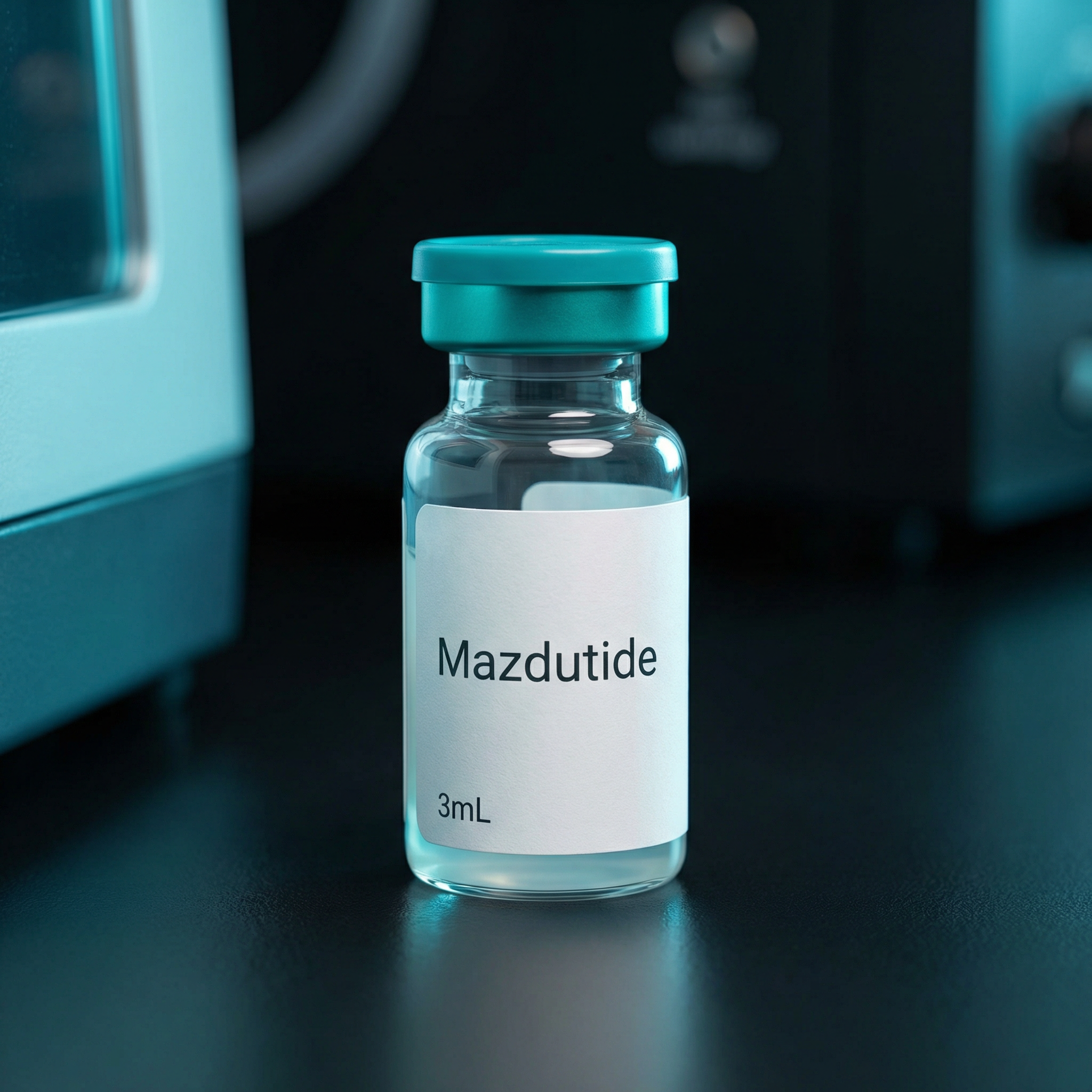
Mazdutide is a modern long-acting dual GLP-1 receptor and glucagon receptor agonist developed for obesity and type 2 diabetes. It is a very different kind of entry from most peptide-market compounds because it has crossed into real regulatory medicine, with first approval in China for chronic weight management in 2025 and subsequent China approval for glycemic control in adults with type 2 diabetes later that year. The repository should treat it as an approved metabolic drug with ongoing lifecycle expansion, not as an experimental clinic peptide.
Key names include mazdutide, IBI362, LY3305677, and OXM-3 in the development literature. The identity section should link sponsor information to Innovent and Eli Lilly and distinguish mazdutide from other dual-agonist incretins such as survodutide, cotadutide, and retatrutide. Because this is a branded development asset with real regulatory milestones, sponsor and jurisdiction metadata are especially important.
3. Sequence and structure
Mazdutide is a long-acting acylated single-chain peptide engineered from the oxyntomodulin / glucagon-GLP-1 family rather than a simple native peptide. Public summaries consistently describe it as a modified peptide with dual receptor activity and a lipidation strategy that prolongs exposure, even though casual web sources do not always present the exact sequence in a uniform way. The repository should therefore store both the publicly available chemistry identifiers and, when available, the sponsor-grade sequence and acylation-site data rather than relying on vendor shorthand.
Mazdutide co-activates GLP-1 and glucagon receptors, combining appetite reduction and glycemic effects with glucagon-linked energy-expenditure and metabolic effects. This dualism is central to the program and distinguishes it from pure GLP-1 agonists such as semaglutide. Mechanistic confidence is high and clinically validated.
Approved use cases currently center on chronic weight management and glycemic control in adults with type 2 diabetes in China, while broader development programs explore additional metabolic indications. The repository should separate those real approved uses from speculative online positioning as just another weight-loss peptide. This is a regulated drug entry.
Mazdutide is designed for long-acting exposure with once-weekly administration, and its pharmacology reflects peptide engineering for sustained receptor engagement rather than short peptide-like clearance. The key practical point is that it behaves like a modern acylated incretin-class injectable, not like a simple unmodified peptide. PK/PD should therefore be stored with attention to weekly dosing, exposure proportionality, and metabolic-endpoint relationships.
Efficacy evidence is strong in obesity and type 2 diabetes development, with phase 3 and approval-supporting data in China and broad recognition as a first-in-class dual GCG/GLP-1 receptor agonist. The repository should mark evidence strength as high relative to investigational metabolic peptides, while still recognizing that global post-marketing experience remains younger than that of older GLP-1 agents.
The safety profile appears to follow incretin-class expectations with gastrointestinal adverse effects prominent, alongside the need to monitor class-related risks and glucagon-linked metabolic effects. As with other newer metabolic injectables, real-world pharmacovigilance will continue to refine the picture. Safety should be described as clinically characterized but still accruing long-term post-approval experience.
This entry should store approved titration and once-weekly administration details by jurisdiction rather than a generic peptide dose line. Because mazdutide is an approved product in at least one major market, regimen fields should be product- and label-aware.
UNVERIFIED RESEARCHER-REPORTED DOSING INFORMATION
The following dosing information has been compiled from community forums, researcher discussions, and gray-market sources. This information has NOT been verified through peer-reviewed scientific studies or clinical trials. It does NOT constitute medical advice, a prescription, or a recommendation for human use.
This data is presented solely for informational and educational purposes to document what is commonly discussed in research communities. Dosing protocols may be inaccurate, dangerous, or based on anecdotal reports with no scientific validation. Individual responses vary significantly, and unregulated compounds carry inherent risks including contamination, mislabeling, and unknown side effects.
Always consult qualified medical professionals before making any health-related decisions. The repository maintainers assume no liability for the use or misuse of this information.
Researcher-Reported Dosing Protocols
Common Dose Range: 2.5-5 mg
Administration Route: Subcutaneous injection
Frequency: Once weekly
Timing: Administer on the same day each week
Schedule / Protocol: 8-12 weeks minimum (clinical trials ranged from 12-48 weeks)
Dose Escalation: Start at 2.5 mg once weekly for the first 4 weeks to establish tolerability, then advance to 5 mg weekly at week 5.
Additional Notes: Reconstitute 10mg vial with 3.0 mL of bacteriostatic water to yield a concentration of approximately 3.33 mg/mL. Higher-dose protocols (up to 10 mg/week) have been explored in research but are associated with a higher risk of side effects.
This researcher-reported dosing information was compiled from unverified community sources and does not represent validated scientific or medical guidance.
Mazdutide has late-stage clinical-development and approval-supporting trials in obesity and type 2 diabetes, plus continued study in additional metabolic diseases. Unlike many compounds in this repository, the trial section should emphasize phase 3 and lifecycle-expansion tracking rather than merely asking whether any human data exist.
Approved in China for chronic weight management in June 2025 and for glycemic control in adults with type 2 diabetes in September 2025. Outside those approvals, it remains part of ongoing broader international development and competitive positioning within the incretin field.
13. References and source quality
Highest-value sources include the 2025 first-approval review, official company approval announcements tied to China NMPA milestones, PubChem chemistry records, and current clinical-trial reporting. Source quality is high for regulatory status and mechanism, with the usual caution that sponsor press releases should be cross-checked against independent summaries when possible.
Critical fields include peptide backbone identity, acylation chemistry, device presentation, cold-chain requirements, and sponsor / market-specific formulation details. For approved metabolic peptides, manufacturing and supply metadata are part of the therapeutic story rather than optional extras.
Version 0.1 starter entry created March 14, 2026. Evidence basis for this draft: 2025 first-approval literature, official China approval announcements, PubChem chemistry metadata, and current metabolic-drug review coverage.