Semaglutide
Long-acting 31-amino-acid GLP-1 analog approved across multiple major brands and formulations for type 2 diabetes and chronic weight-management–related indications; one of the defining modern peptide medicines.
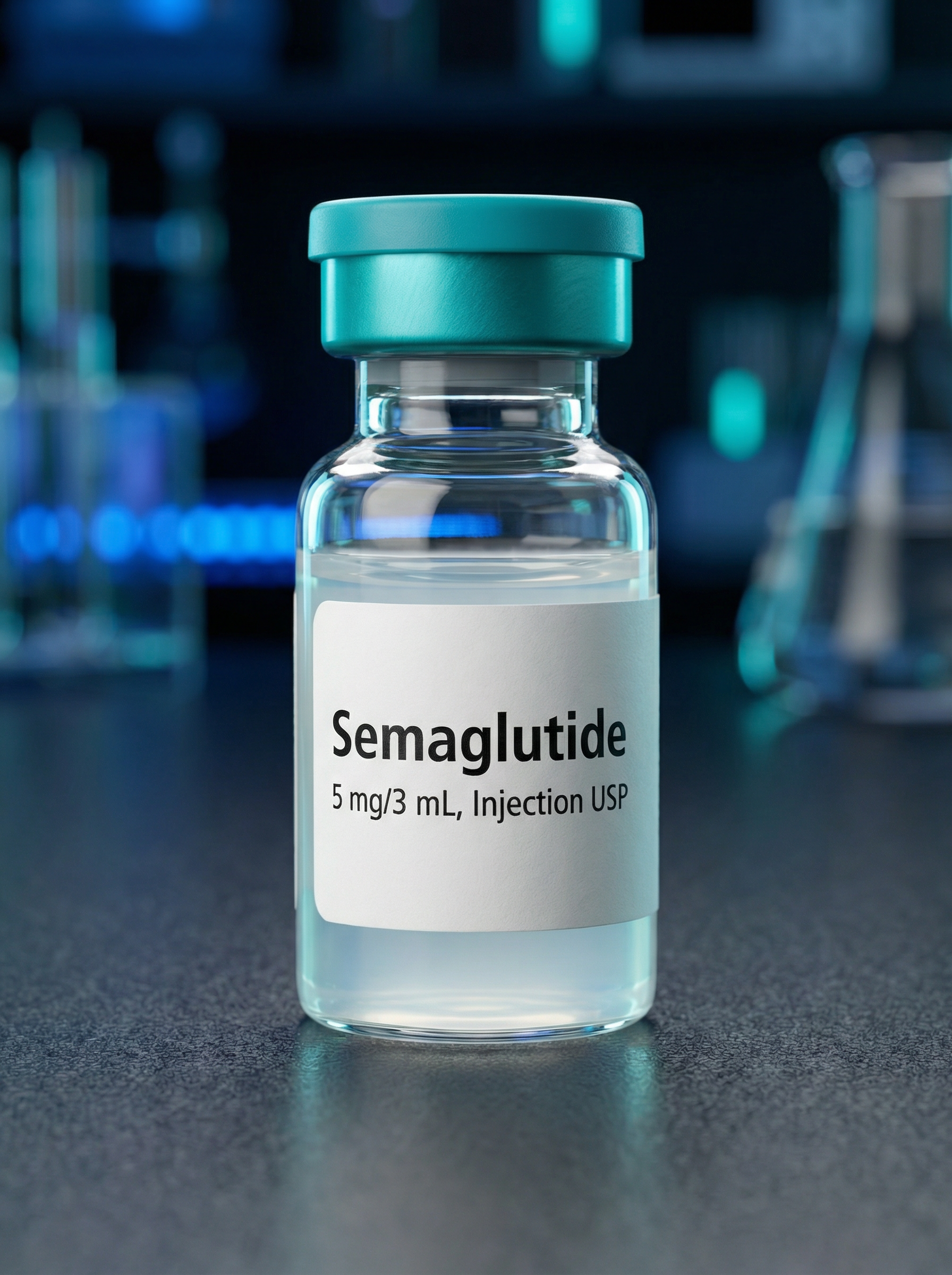
Semaglutide is a flagship long-acting GLP-1 receptor agonist and one of the most clinically important peptide therapeutics in current medicine. Unlike many entries in this repository, semaglutide has extensive global regulatory history, very large clinical-trial programs, and multiple product formats. The entry should therefore function as a high-confidence benchmark record for a modern approved metabolic peptide.
Key names include semaglutide and the major brands Ozempic, Wegovy, and Rybelsus. The identity section should capture that approved indications differ by brand, dose, route, and jurisdiction. Because consumer discussion often treats all semaglutide products as interchangeable, brand-specific indication and formulation metadata are essential.
3. Sequence and structure
Semaglutide is a modified 31-amino-acid analog of GLP-1. Its defining structural features include substitution of Ala at position 8 with Aib to improve DPP-4 resistance, substitution at position 34, and acylation of Lys26 with a fatty-diacid-containing side chain that increases albumin binding and prolongs half-life. Section 3 should treat these medicinal-chemistry modifications as core identity metadata rather than optional detail.
Semaglutide acts as a GLP-1 receptor agonist, enhancing glucose-dependent insulin secretion, suppressing glucagon in relevant contexts, slowing gastric emptying, and reducing appetite / energy intake. This receptor pharmacology underlies both its diabetes and obesity utility. The mechanism is mature, widely validated, and central to the modern incretin-therapy landscape.
Approved uses vary by product and jurisdiction but include type 2 diabetes management and chronic weight management in defined populations. In some labeling frameworks, semaglutide products also carry major-cardiovascular-event risk-reduction or additional complication-related indications in specific groups. The repository should therefore store indications at the brand / jurisdiction level instead of flattening everything into a single generic line.
Semaglutide is designed for prolonged exposure, enabling once-weekly injection for injectable products and once-daily oral dosing in tablet formulations. Albumin binding and protease resistance are key pharmacologic design features. Its PK profile is well characterized by approved-product standards and differs meaningfully across injectable and oral presentations.
Efficacy evidence is extensive and high quality across both glycemic and weight-management endpoints. Semaglutide is one of the best-supported peptides in the entire repository, with large randomized programs showing clinically meaningful improvements in glucose control, body weight, and selected cardiorenal or risk-reduction outcomes depending on product and indication. The exact claim set should remain indication-specific, but the overall efficacy base is robust.
The safety profile is familiar to clinicians: gastrointestinal adverse effects, gallbladder-related events, pancreatitis warnings, and boxed thyroid C-cell tumor precautions in U.S. labeling frameworks. Rapid glucose improvement can also interact with diabetic-retinopathy risk in selected contexts, and post-marketing signal interpretation continues to evolve. The repository should present the safety profile as strong but nuanced, not trivial.
Dosing is product-specific and titration-based. Injectable semaglutide products are commonly escalated gradually to improve tolerability, while oral formulations use their own administration rules. The database should avoid a single universal semaglutide dose line and instead store separate regimens for each labeled product.
UNVERIFIED RESEARCHER-REPORTED DOSING INFORMATION
The following dosing information has been compiled from community forums, researcher discussions, and gray-market sources. This information has NOT been verified through peer-reviewed scientific studies or clinical trials. It does NOT constitute medical advice, a prescription, or a recommendation for human use.
This data is presented solely for informational and educational purposes to document what is commonly discussed in research communities. Dosing protocols may be inaccurate, dangerous, or based on anecdotal reports with no scientific validation. Individual responses vary significantly, and unregulated compounds carry inherent risks including contamination, mislabeling, and unknown side effects.
Always consult qualified medical professionals before making any health-related decisions. The repository maintainers assume no liability for the use or misuse of this information.
Researcher-Reported Dosing Protocols
Common Dose Range: 0.25-2.4 mg per injection
Administration Route: Subcutaneous injection or Oral
Frequency: Once weekly
Timing: Injectable can be taken any time of day, with or without meals. Oral tablets should be taken in the morning on an empty stomach.
Schedule / Protocol: Continuous, with dose escalation every 4 weeks
Dose Escalation: Start at 0.25 mg once weekly for the first 4 weeks. The dose is then increased every 4 weeks until a maintenance dose is reached. The maximum recommended dose is 2.4 mg once weekly.
Additional Notes: Dosing protocols can vary between different brand names of Semaglutide (e.g., Ozempic, Wegovy, Rybelsus) and as prescribed by a healthcare provider. The information provided is for research purposes only and does not constitute medical advice.
This researcher-reported dosing information was compiled from unverified community sources and does not represent validated scientific or medical guidance.
Semaglutide has one of the most mature trial portfolios in modern peptide medicine, spanning diabetes, obesity, cardiovascular outcomes, and additional metabolic complication settings. This is an entry where major trial-program names, endpoint categories, and formulation-specific programs are worth tracking in detail because they shape real-world label expansion.
Semaglutide is approved in multiple jurisdictions and multiple branded forms. Regulatory status should be recorded at the product level because Ozempic, Wegovy, and Rybelsus do not share perfectly identical labels. Overall, this is a fully approved and clinically established peptide therapeutic.
13. References and source quality
Highest-value sources include official FDA labeling for Ozempic, Wegovy, and Rybelsus; regulatory review documents; landmark clinical-trial publications; and authoritative chemistry references such as PubChem. Because semaglutide evolves through label expansion and formulation updates, official current labeling should outrank secondary summaries.
Manufacturing metadata should capture the specific product form, injection versus tablet presentation, device system where relevant, cold-chain or storage requirements, and the defining lipidated peptide structure. Formulation specificity matters because semaglutide is no longer a single simple product story.
Version 0.1 starter entry created March 14, 2026. Evidence basis for this draft: official current semaglutide labeling and landmark clinical-trial literature. Confidence level: high.