Thymalin
Thymus-derived polypeptide extract immunomodulator with regional clinical history, but not a single defined peptide sequence in the way modern peptide drugs are.
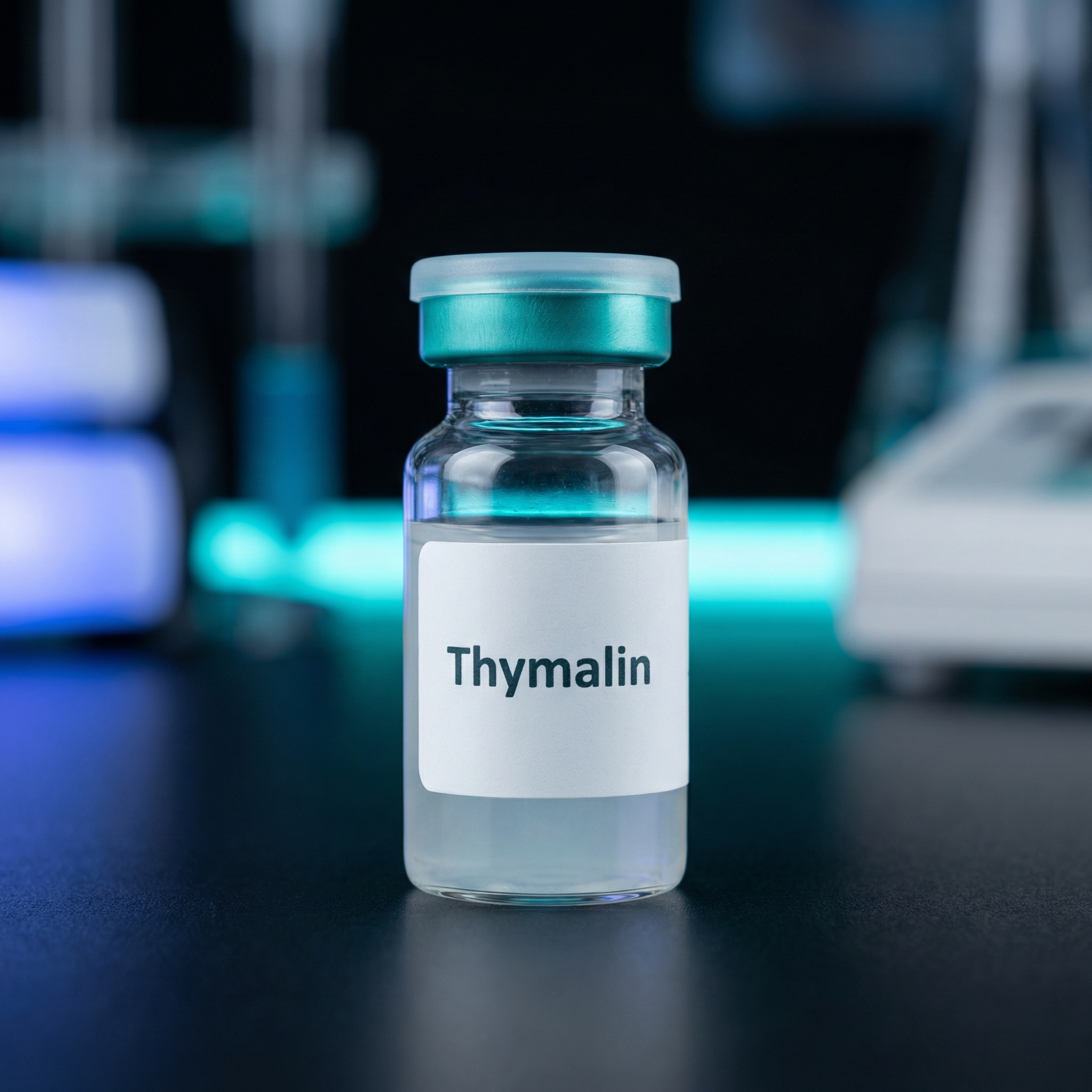
Thymalin is an important reminder that not every peptide-labeled therapy is a single synthetic sequence. It is a thymus-derived peptide extract with a long regional history as an immunomodulator, especially in Russian and Eastern European literature. Because of that extract-based identity, Thymalin sits in a different category from purified peptides like thymosin alpha-1 or elamipretide. The repository should present it as a legacy immunomodulatory peptide preparation with genuine clinical history but lower modern chemical precision.
Names include Thymalin and Timalin in transliterated literature. Identity should be recorded as a calf-thymus-derived polypeptide extract rather than as one clean molecular entity. The literature also links Thymalin to shorter active peptide components and successor concepts such as Thymogen, which can help users navigate the broader thymic-peptide family.
3. Sequence and structure
There is no single canonical amino-acid sequence for Thymalin because it is an extract mixture rather than a defined synthetic peptide drug. Modern repository design should make that explicit. Some literature attributes important activity to short constituents such as KE, EW, and related peptides within or derived from the extract, but those are not identical to saying Thymalin itself has one unique sequence.
The mechanistic narrative centers on immunomodulation: support of T-cell differentiation, cytokine balancing, immune-cell viability, and broader thymic signaling effects. Because the product is an extract, the mechanism is necessarily broader and less chemically tidy than for purified receptor agonists. Still, the immunologic rationale is longstanding and more coherent than casual marketing might suggest.
Regional literature discusses Thymalin in immune dysfunction, infection-related immune support, recovery settings, aging-related immune decline, and more recently severe respiratory or inflammatory conditions as part of complex therapy. These should be labeled as regional / investigational / literature-based uses, not as globally approved standard indications. Repository users should understand that the use history is real but not globally harmonized.
Because Thymalin is an extract product, modern PK-style characterization is limited and difficult to summarize with the same precision as purified peptides. Administration is typically parenteral in the classic literature, and biologic activity is understood functionally through immune effects rather than through a clean single-molecule ADME model. This section should stay cautious and avoid false precision.
Evidence is suggestive and clinically interesting, especially in regional literature, but methodologic standards vary widely and the extract identity complicates modern evaluation. Some studies and reviews report immune benefits in severe inflammatory or infectious contexts, but the confidence grade should stay moderate-to-low unless backed by high-quality controlled evidence. Thymalin is therefore better framed as a legacy immunomodulatory preparation than as a modern globally validated biologic.
Clinical-use history suggests the preparation has been used with acceptable tolerability in regional medical settings, but modern globally standardized safety characterization is limited. As with any extract-derived biologic, composition consistency and source quality matter. The repository should therefore note practical tolerability without overstating certainty.
Historically Thymalin has been used in course-based injectable regimens, but product-specific protocols vary by jurisdiction and era. Because this is not a current globally standardized approved product, dosing should be source-specific rather than generalized into one universal regimen.
UNVERIFIED RESEARCHER-REPORTED DOSING INFORMATION
The following dosing information has been compiled from community forums, researcher discussions, and gray-market sources. This information has NOT been verified through peer-reviewed scientific studies or clinical trials. It does NOT constitute medical advice, a prescription, or a recommendation for human use.
This data is presented solely for informational and educational purposes to document what is commonly discussed in research communities. Dosing protocols may be inaccurate, dangerous, or based on anecdotal reports with no scientific validation. Individual responses vary significantly, and unregulated compounds carry inherent risks including contamination, mislabeling, and unknown side effects.
Always consult qualified medical professionals before making any health-related decisions. The repository maintainers assume no liability for the use or misuse of this information.
Researcher-Reported Dosing Protocols
Common Dose Range: 10 mg per day
Administration Route: Subcutaneous or Intramuscular injection
Frequency: Once daily
Timing: Morning or early evening
Schedule / Protocol: 5-10 consecutive days, with cycles repeated 1-4 times per year
Dose Escalation: No specific dose escalation or titration approach is commonly discussed. A fixed daily dose is typically used for the duration of the cycle.
Additional Notes: One source mentioned a dosage of '30 units' daily, but this is not a standard measurement and may refer to the markings on a specific syringe type. The most commonly cited dosage in researcher communities is 10 mg per day.
This researcher-reported dosing information was compiled from unverified community sources and does not represent validated scientific or medical guidance.
The most relevant literature is regional, older, and often not represented in the style of modern international trial registries. No major contemporary FDA- or EMA-style registrational program was identified. Future database refinement would benefit from cataloging the strongest controlled human studies separately from narrative clinical-use reports.
Thymalin is not FDA approved and does not fit modern mainstream regulatory categories in Western markets. It is best classified as a regionally used immunomodulatory peptide extract with legacy medical history and limited global regulatory visibility.
13. References and source quality
Highest-value sources include classic reviews of thymic peptides, more recent papers on Thymalin composition and immunologic effects, and studies describing its use in severe inflammatory or COVID-related settings. Source quality is mixed because the product is older, regionally embedded, and chemically less standardized than modern peptide drugs. Annotation of evidence level is especially important.
Manufacturing should be described as biologic extraction / purification of thymus-derived peptide fractions rather than straightforward synthetic peptide production. This affects batch characterization, composition interpretation, and comparability across products. The repository should capture that difference clearly so Thymalin is not mistaken for a single-sequence peptide.
Version 0.1 starter entry created March 14, 2026. Evidence basis for this draft: classic thymic-peptide reviews, modern papers describing Thymalin composition and immunomodulatory effects, and regional-use literature. Recommended future upgrade: add a composition table separating the extract from its better-defined short-peptide descendants.