Thymosin Alpha-1
Synthetic 28-amino-acid thymic peptide immunomodulator (thymalfasin) approved in many countries, but not in the United States, with a substantial human literature across infectious and immune-related contexts.
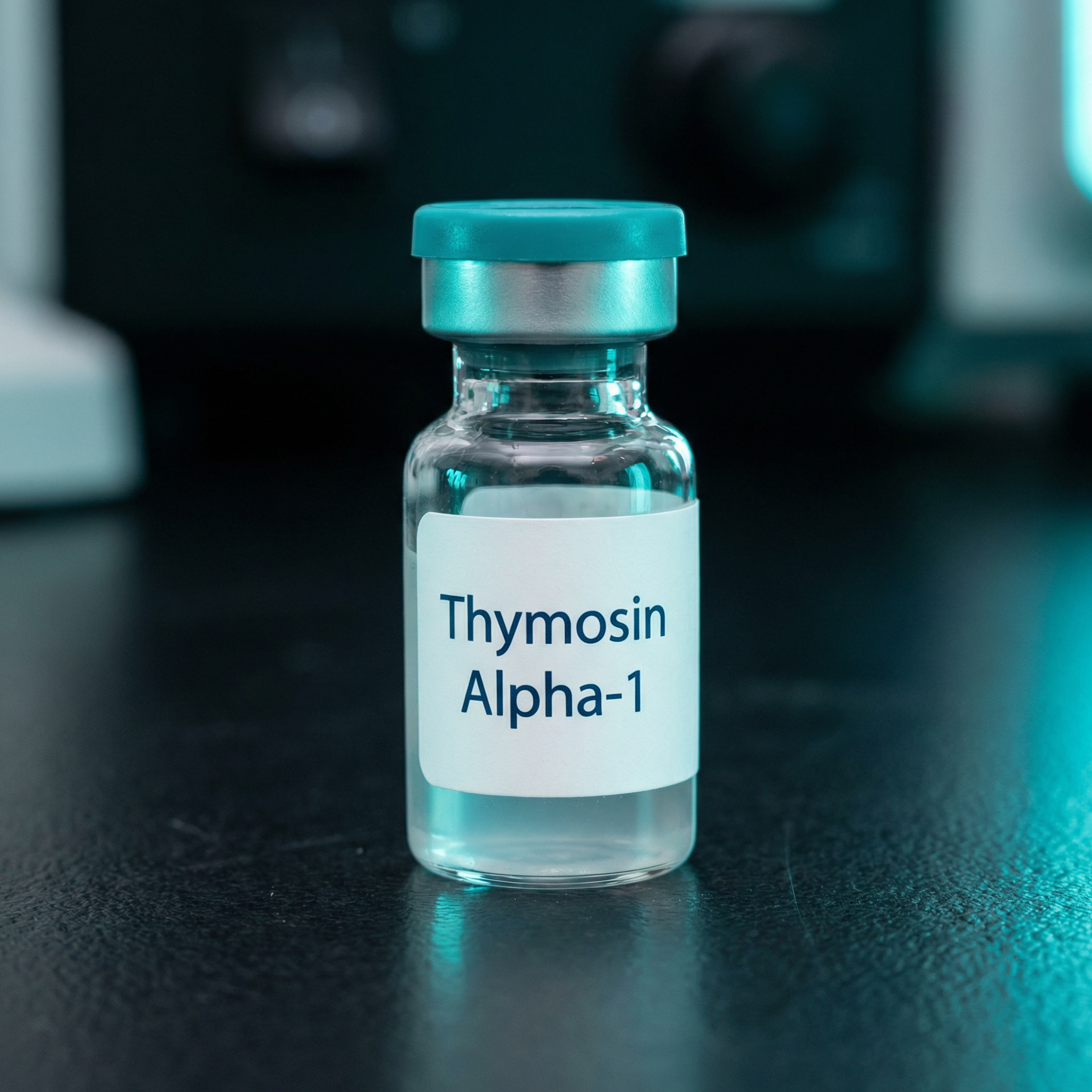
Thymosin alpha-1 is one of the most internationally significant immune-modulating peptides in the broader peptide field. Unlike many wellness-market entries, it has substantial clinical use history, formal approvals in numerous countries, and a long human literature spanning viral hepatitis, vaccine enhancement, infection-related immune dysregulation, and oncology-adjacent settings. At the same time, it remains unapproved in the United States. The repository should present it as a serious immune peptide with meaningful real-world medical use, while still being precise about jurisdictional differences.
Important names include thymosin alpha-1, Talpha1, Talpha1, thymalfasin, and Zadaxin. It is a thymic peptide derived from prothymosin alpha biology, but the clinically used product is the synthetic peptide rather than a crude thymus extract. Identity records should cross-link both the natural-peptide concept and the drug-name thymalfasin, because literature often alternates between them.
3. Sequence and structure
Thymosin alpha-1 is a 28-amino-acid peptide and is classically described as N-terminally acetylated. It is much more chemically defined than Thymalin and better suited to standard peptide-drug style cataloging. While not structurally exotic, it is a foundational immune peptide whose sequence-level identity is mature and well established.
The peptide functions as an immune modulator rather than as a simple receptor agonist for one narrow pathway. Literature describes effects on innate and adaptive immunity, dendritic-cell and T-cell function, cytokine regulation, TLR-linked signaling, and reversal of immune exhaustion in some contexts. That breadth explains both its therapeutic interest and the challenge of summarizing it in one line. The mechanism should therefore be described as broad immunologic reprogramming rather than a single-target drug action.
Country-specific approved and practiced uses include chronic hepatitis B and C, immune enhancement in selected infectious or oncologic contexts, and adjuvant immune support. Investigational or literature-supported areas include sepsis, COVID-19-era immune dysregulation, vaccine responsiveness, and aging-related immune decline. The repository should preserve indication specificity by country and evidence tier rather than collapsing all uses into one general immune-support claim.
Thymosin alpha-1 is usually given by subcutaneous injection, often in repeated course-based schedules. Public literature supports systemic biologic activity despite the peptide's relatively short direct exposure profile, because the main effects are immunologic and regulatory rather than purely exposure-driven. Detailed ADME reporting varies by source, but the peptide is much better characterized clinically than most gray-market immune peptides.
Human evidence is substantial but heterogeneous by indication. The strongest story is not that thymosin alpha-1 is uniformly proven for everything immune-related, but that it has accumulated a broad literature base with actual regional approvals and repeated clinical use. Some indications have much stronger support than others. The repository should therefore assign evidence by indication rather than by one blanket score.
The overall tolerability profile is generally favorable in the published literature, especially compared with more aggressive immune therapies. However, safety interpretation still depends on indication, disease severity, and combination regimen. Because the peptide has real clinical history in multiple countries, safety discussion can be firmer than for most investigational immune peptides, though it still should not drift into overconfidence for off-label uses.
Administration is most commonly subcutaneous and course-based, with schedules varying by indication and country. Since thymalfasin is used across different disease settings, the database should preserve indication-specific dosing rather than implying a single universal schedule. Product brand and jurisdiction also matter.
UNVERIFIED RESEARCHER-REPORTED DOSING INFORMATION
The following dosing information has been compiled from community forums, researcher discussions, and gray-market sources. This information has NOT been verified through peer-reviewed scientific studies or clinical trials. It does NOT constitute medical advice, a prescription, or a recommendation for human use.
This data is presented solely for informational and educational purposes to document what is commonly discussed in research communities. Dosing protocols may be inaccurate, dangerous, or based on anecdotal reports with no scientific validation. Individual responses vary significantly, and unregulated compounds carry inherent risks including contamination, mislabeling, and unknown side effects.
Always consult qualified medical professionals before making any health-related decisions. The repository maintainers assume no liability for the use or misuse of this information.
Researcher-Reported Dosing Protocols
Common Dose Range: 1.0-1.6 mg per injection
Administration Route: Subcutaneous injection
Frequency: 2-3 times per week for immune support, or daily for acute illness
Timing: Morning or evening, with an emphasis on maintaining a consistent schedule
Schedule / Protocol: 4-8 week cycles, or 2-3 months on / 1 month off for long-term support
Dose Escalation: No specific dose escalation protocol is commonly discussed. Researchers typically start with the standard dose.
Additional Notes: Thymosin Alpha-1 has a short half-life of approximately 2 hours.
This researcher-reported dosing information was compiled from unverified community sources and does not represent validated scientific or medical guidance.
Thymosin alpha-1 has a wide and international clinical-trial literature, though not all of it reflects modern registrational trial design. Evidence spans viral hepatitis, infectious disease, vaccine response, cancer-adjacent supportive contexts, and more recent critical-care interest. It is one of the richer literature entries in this repository.
Thymalfasin has been approved in more than 35 countries according to current reviews, but it is not FDA approved in the United States. This mixed regulatory profile is central to the entry. The correct summary is globally important, regionally approved, but not universally approved.
13. References and source quality
Highest-value sources include comprehensive peer-reviewed reviews of thymosin alpha-1, country-specific drug information where accessible, and recent literature on aging, infection, and immune reconstitution. Source quality is relatively strong compared with most niche peptides, although country-level approval claims should still be checked carefully because secondary sources sometimes summarize them differently.
Thymosin alpha-1 is typically supplied as a defined synthetic peptide drug product for injection. Manufacturing is more standardized than with extract-based thymic products, and quality-control expectations should match other therapeutic peptides. This difference should be highlighted when users compare it with Thymalin or other broad thymic preparations.
Version 0.1 starter entry created March 14, 2026. Evidence basis for this draft: comprehensive thymosin alpha-1 reviews and recent literature summarizing approvals and immune applications across countries. Recommended future upgrade: add country-by-country approval and brand table if needed.