Tirzepatide
Dual GIP / GLP-1 receptor agonist peptide approved across major brands for type 2 diabetes and chronic weight-management indications, with rapidly expanding clinical and regulatory importance.
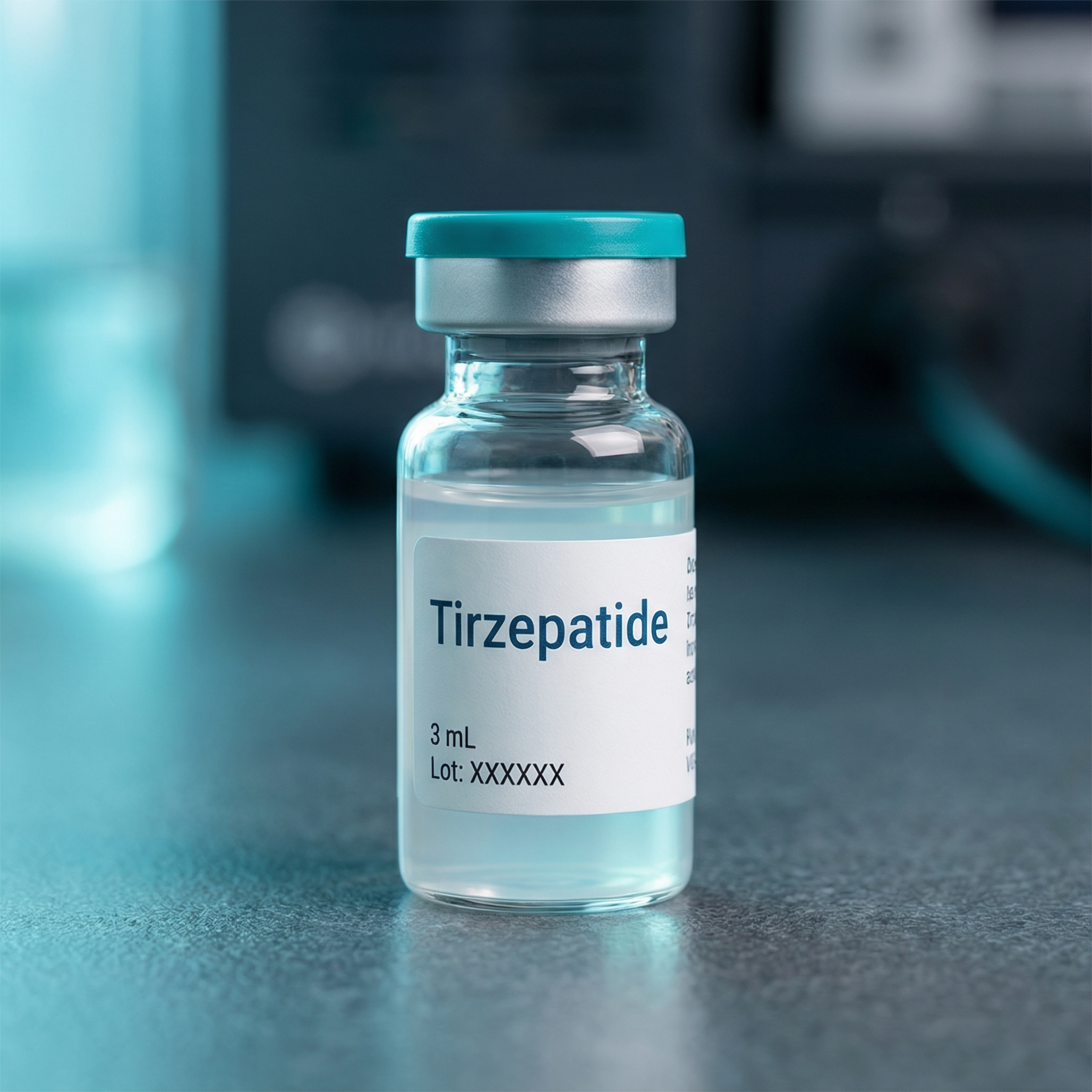
Tirzepatide is one of the most important current peptide therapeutics in medicine. It combines GIP and GLP-1 receptor agonism in a once-weekly injectable format and has reshaped both diabetes and obesity treatment. The repository should present tirzepatide as a mature, highly validated, approved peptide drug rather than as simply another member of the weight-loss-peptide trend. It has the strongest standing when framed through its labeled medical indications, major outcome trials, and current safety monitoring requirements.
Key names include tirzepatide, Mounjaro, Zepbound, and the development code LY3298176. The identity section should distinguish diabetes and weight-management branding because approved indications differ by product and jurisdiction. It should also note that compounded tirzepatide products circulating online are not equivalent to approved labeled products.
3. Sequence and structure
Tirzepatide is a synthetic 39-amino-acid peptide engineered as a dual GIP / GLP-1 receptor agonist and modified with a fatty-acid-containing side chain that extends exposure for once-weekly use. It belongs to the long-acting metabolic peptide class and is substantially more engineered than native incretin hormones. The structural design is central to its pharmacology and commercial success.
The defining feature of tirzepatide is simultaneous agonism at the GIP receptor and GLP-1 receptor. This produces potent effects on glucose control, appetite, body weight, gastric emptying, and broader metabolic physiology. The dual-agonist design sets it apart from pure GLP-1 therapies and is the foundation for its strong efficacy profile in both diabetes and obesity.
Approved uses include type 2 diabetes under Mounjaro and chronic weight management under Zepbound in appropriate adults, with additional approved labeling now including obstructive sleep apnea in adults with obesity in the U.S. context. Outside those indications, tirzepatide is also being explored in additional metabolic and cardiometabolic settings. The repository should record indication status by product, not just by molecule.
Tirzepatide is designed for once-weekly subcutaneous administration, with prolonged exposure supported by its engineered structure. Public label information emphasizes gradual dose escalation rather than immediate full-dose administration, which reflects both pharmacology and tolerability management. As a class-leading metabolic peptide, it has one of the better characterized PK / PD stories in the repository.
Efficacy evidence is extensive and high quality. Tirzepatide has shown major glycemic improvements in diabetes and very large body-weight reductions in obesity programs, placing it among the most effective approved metabolic peptide drugs currently available. This is not a low-confidence peptide story; it is a landmark therapeutic platform with repeated trial confirmation.
Safety follows the modern incretin-drug pattern: gastrointestinal adverse effects are common, gallbladder and pancreatitis considerations remain relevant, hypoglycemia risk rises in combination with insulin or insulin secretagogues, and U.S. labeling includes a boxed thyroid C-cell tumor warning based on rodent findings. Recent public discussion has also highlighted concerns about compounded tirzepatide mixtures, particularly non-labeled admixtures such as tirzepatide with vitamin B12. The repository should keep approved-product safety clearly separate from compounded-product uncertainty.
Current U.S. label structure starts at 2.5 mg once weekly for four weeks, with stepwise escalation in 2.5 mg increments to tolerated maintenance doses. Product-specific administration and device instructions should be captured from the current label rather than generalized from online clinic protocols. Dose escalation is a core part of the treatment identity.
UNVERIFIED RESEARCHER-REPORTED DOSING INFORMATION
The following dosing information has been compiled from community forums, researcher discussions, and gray-market sources. This information has NOT been verified through peer-reviewed scientific studies or clinical trials. It does NOT constitute medical advice, a prescription, or a recommendation for human use.
This data is presented solely for informational and educational purposes to document what is commonly discussed in research communities. Dosing protocols may be inaccurate, dangerous, or based on anecdotal reports with no scientific validation. Individual responses vary significantly, and unregulated compounds carry inherent risks including contamination, mislabeling, and unknown side effects.
Always consult qualified medical professionals before making any health-related decisions. The repository maintainers assume no liability for the use or misuse of this information.
Researcher-Reported Dosing Protocols
Common Dose Range: 2.5 mg to 15 mg per injection
Administration Route: Subcutaneous injection
Frequency: Once weekly
Timing: Any time of day, with or without meals
Schedule / Protocol: Continuous
Dose Escalation: Start at 2.5 mg weekly for the first 4 weeks. The dose can be increased in 2.5 mg increments every 4 weeks until the desired therapeutic effect is achieved, up to a maximum of 15 mg per week.
Additional Notes: The slow dose escalation is to help the body adjust and minimize potential gastrointestinal side effects. Not everyone will need to reach the maximum dose.
This researcher-reported dosing information was compiled from unverified community sources and does not represent validated scientific or medical guidance.
The clinical-trial portfolio is one of the largest in the peptide field, spanning SURPASS, SURMOUNT, and additional programs related to obesity complications and cardiometabolic disease. This entry should therefore be tagged as a high-maturity clinical asset with extensive human evidence.
Tirzepatide is FDA approved and commercially established in multiple branded forms. The molecule continues to gain new labeling relevance and remains central to the current obesity / diabetes treatment landscape. Regulatory status should be recorded separately by product and jurisdiction whenever possible.
13. References and source quality
Highest-value sources include the current FDA-approved labels for Mounjaro and Zepbound, pivotal peer-reviewed clinical-trial publications, and official FDA press materials describing major indications. Source quality is high for identity, mechanism, dosing, and safety. Marketing claims outside labeled use should be held to a much lower standard.
Tirzepatide is a proprietary long-acting injectable peptide product with device-dependent commercial presentations. Manufacturing metadata should capture peptide engineering, injection presentation, product-specific storage, and any distinctions between labeled commercial products and compounded imitators. That last distinction is especially important for this entry.
Version 0.1 starter entry created March 14, 2026. Evidence basis for this draft: current FDA labeling for Zepbound and related tirzepatide products, FDA press materials, and major published clinical trials. Recommended future upgrade: add a product-by-product indication table and key formulation differences.